

Bali, a small island in Indonesia, is one of the world’s top tourist destinations, often referred to as the Island of the Gods. It is such a beautiful place that captivates its visitors at every turn. Balinese culture widely follows a philosophy of tri Hata karna, which means three causes of goodness, where the reasons suggested a harmonious relationship with God, people and nature.
The island features stunning beaches, cultural landmarks, panoramic rice terraces, spiritual offerings and much more. However, January is not a peak season; it still retains a unique charm at this time of year. This makes it one of the best times to visit Bali, as the island experiences fewer tourist crowds, making it an ideal time for exploration and excursions. Also, accommodations, flights and activities come at a lower price in this season, saving you a lot more than in peak season. It is considered one of the best times of year to visit Bali for a peaceful and budget-friendly trip.
It is worth spending days in Bali on New Year’s Eve, experiencing its rich cultural heritage, natural beauty, and spiritual energy in a peaceful atmosphere that feels refreshing and healing.
Weather and Climate in Bali in January
January marks the peak of the monsoon season in Bali, but the rainfall is not expected daily. Even on rainy days, it is expected to witness decent sunshine. The weather remains hot and humid with temperatures ranging from 22 to 31 degrees Celsius.
The weather conditions also differ by region, such as the Highlands, which are generally cooler with longer rain spells, while coastal areas are warmer with frequent short showers.
Rain showers enhance the island’s natural beauty, creating a fresh environment that is awesome for photography and nature exploration.
Festivals and Cultural Events in January

Bali is not just about peaceful and lush landscapes in January. Its festive spirit shines through various events, including wild celebrations.
- New Year’s Eve Celebrations: New Year’s Eve in Bali is a delightful experience with awesome beach parties. There will be fireworks, live music, and entertainment in popular beach clubs. The celebrations extend for a week, not just the 31st night or Day 1, especially in Seminyak and Kuta, which are tourist hubs.
- Suwat Water Festival: The festival held at Suwat village begins with a traditional worship at the local temple. The festival includes many traditional games and ends with a water fight between villagers. This event offers a unique glimpse into Bali’s rich culture, featuring its traditional rituals, vibrant dances, and cherished community traditions. It will let you enjoy Bali’s culture and see how modern celebrations mix with ancient traditions.
Top Places to Visit in Bali in January
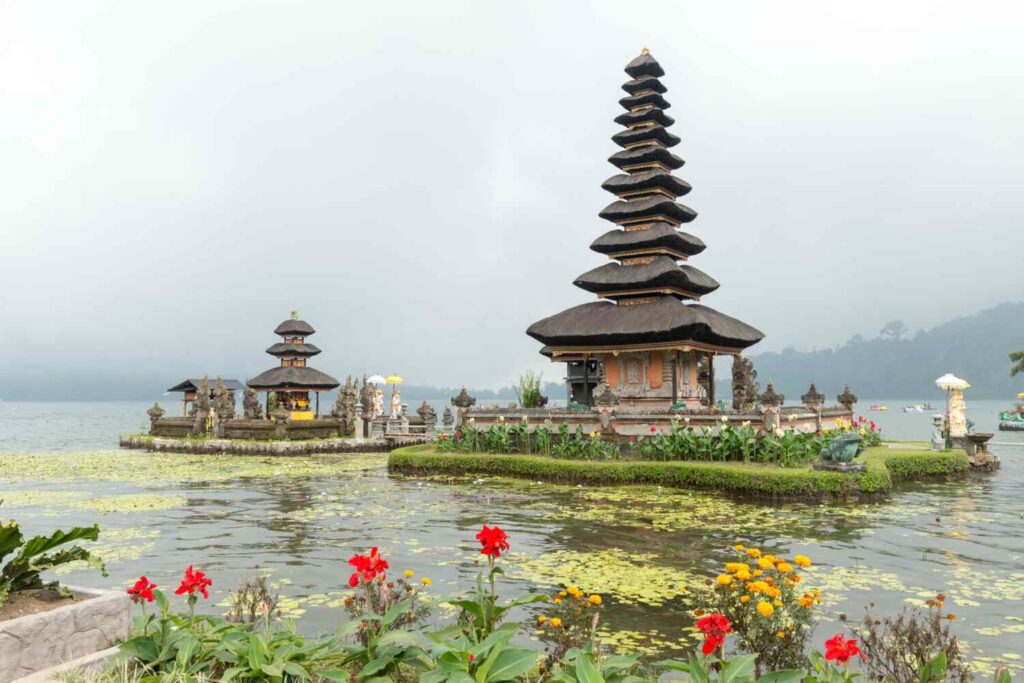
Bali is home to numerous attractions, including archaeological temples, stunning beaches, and breathtaking waterfalls. If you are planning a trip, these are some places to visit in Bali, Indonesia:
- Nusa Dua Beach: Renowned for its crystal-clear water and flawless sand, Nusa Dua is an all-season beach destination, perfect for relaxation, water sports, and beachside dining, making it an ideal spot for families. The sea is calm, with slow waves, making it comfortable for swimming. Homely stays, luxury resorts and restaurants are near the beach. January is one of the best months to visit Bali.
- Besakih Temple: The temple, nicknamed the “Mother Temple,” is Bali’s largest and most significant temple, located in eastern Bali at the base of Mount Agung. It is a must-visit site for gaining a deep understanding of Balinese Hinduism and appreciating its architectural genius.
- Lempuyang Temple: One of the oldest temples in Bali, famous for its’ gates to heaven’. The temple features a magnificent view of Mount Agung. It is Bali’s most photo-friendly location, and the tourists line up to take pictures here.
- Tanah Lot Temple: A 16th-century temple dedicated to the sea god. Tanah Lot is a Balinese term meaning ‘land in the sea’. It is such an iconic site that offers a stunning sunset view located on the coast of Bali.
- Tegenungan Waterfall: A beautiful waterfall located near Ubud, Tegenungan is accessible year-round and perfect for a refreshing dip or a relaxing nature walk.
- Bali Safari and Marine Park: Located in Gianyar, Bali. Ideal for families, this park presents wildlife experiences and cultural displays, making it a perfect place for both fun and education.
- Ubud: The cultural heart of Bali, Ubud features art markets, royal palaces, galleries, and museums, as well as natural gems such as the Tibumana waterfalls, famous rice terraces, and sacred jungles. With quiet streets, artisan shops, and a relaxed vibe, the town is charming. During the rainy season, terraces like Tegalalang and Jatiluwih look even greener. Waterproof trekking shoes are recommended for muddy paths. Ubud is among the must-see places to visit in Bali.
Bali’s Food and Culinary Experiences
Bali is a paradise for foodies, and the quieter and less crowded month of January lets you enjoy authentic, delicious local dishes without any delay.
- Babi Guling: A traditional Balinese dish of roasted pig marinated in spices, perfectly cooked, and a great treat for the taste buds. It is usually served with rice, vegetables, and spicy sambal (a chilli-based sauce).
- Nasi Campur: A ‘mixed rice’ dish poured with vegetables, meat, boiled eggs and roasted peanuts. This Balinese cuisine is really hard to resist, with a fantastic, colourful texture and delicious taste.
- Lawaar: A Balinese vegetable dish made with minced meat, vegetables and grated coconut mixed with savoury local spices.
- Nasi Goreng: Indonesia’s famous fried rice, served with fried egg, meat, and vegetables. The rice resembles caramelised rice; it is mixed with sweet soy sauce and tastes smoky and sweet.
Also, try other cuisines like Soto Ayam (chicken soup), Martabak Manis (a popular street food dessert), and Jajebali (a variety of traditional Balinese sweets). All are delicious local snacks that are irresistibly delicious.
You can take cooking classes in Bali to learn how to make delicious Balinese food, where you can understand the nuances of Bali’s culinary heritage.
Shopping and Local Markets in Bali
Bali is the land of aesthetics, the island known for its silver handicrafts, arts, paintings, fashion, furniture, natural soaps, textiles, and surfing gear. Some Outstanding markets you should check out:
- Ubud Art Market: Famous for traditional crafts, souvenirs, and textiles.
- Sukawati Art Market: The market features paintings, sculptures, bags, wood carvings, handmade jewellery, and lots of cute items.
- Celuk Village: Famous for its gold and silver jewellery crafted by artisans who have been in this business for generations, the village is home to many skilled artisans who continue to sustain its rich legacy and craft elegant designs.
The quiet tourist season of January makes shopping even more enjoyable, allowing you to meet local artisans without the crowds and discover unique items that reflect Bali’s heritage.
Yoga and Wellness in January
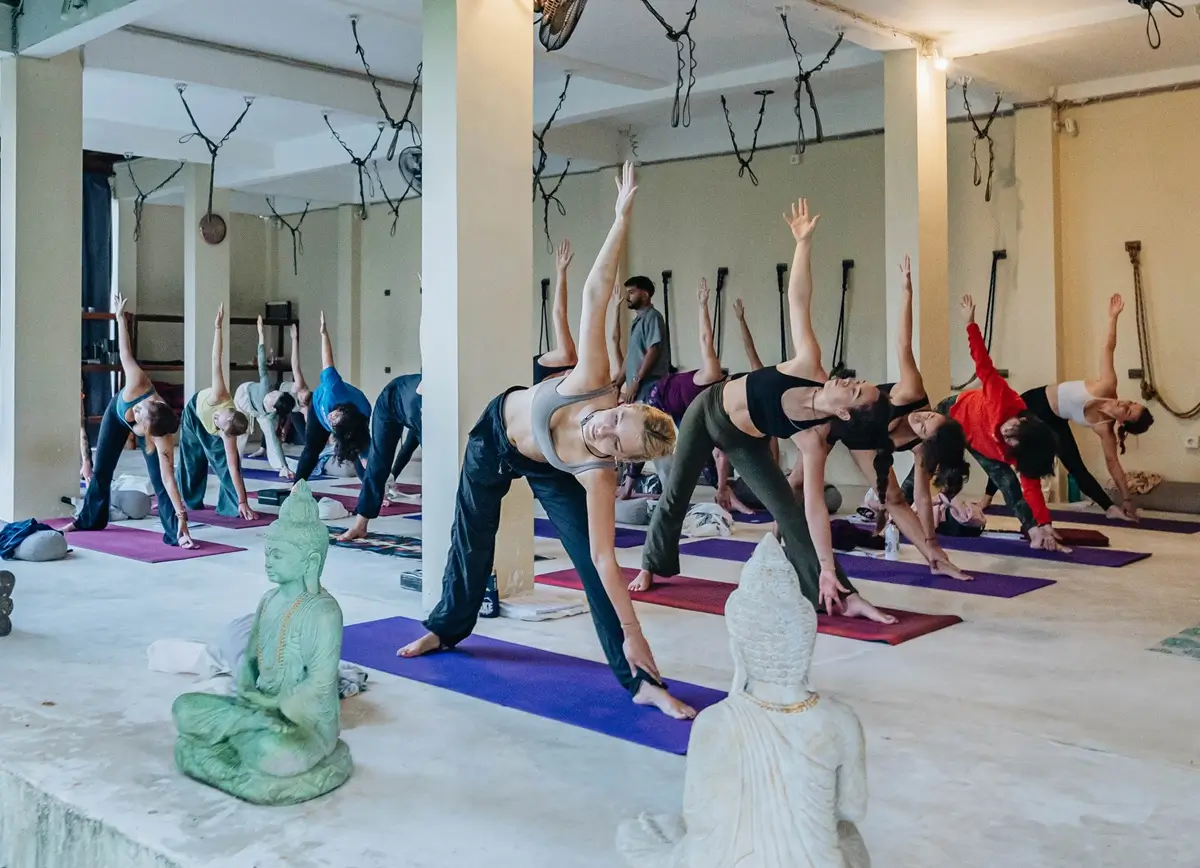
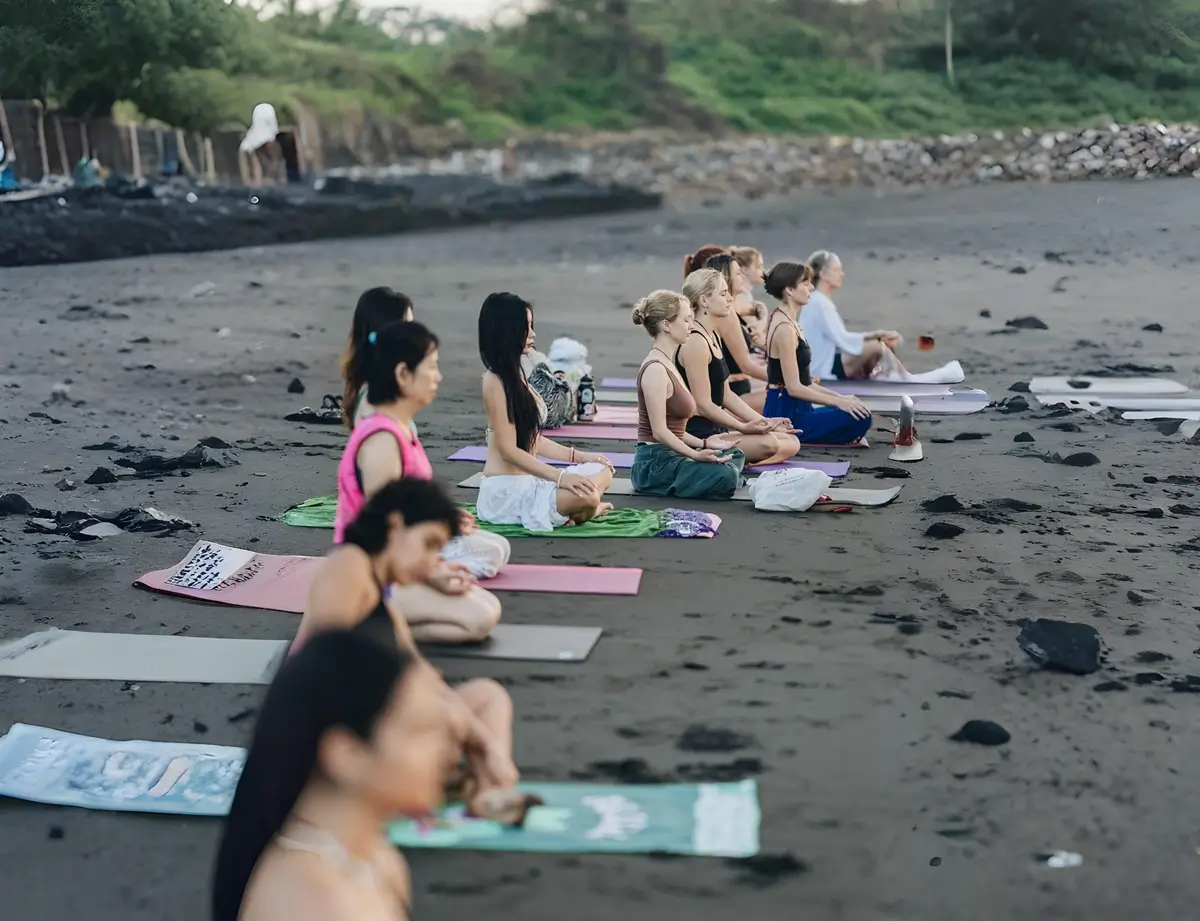
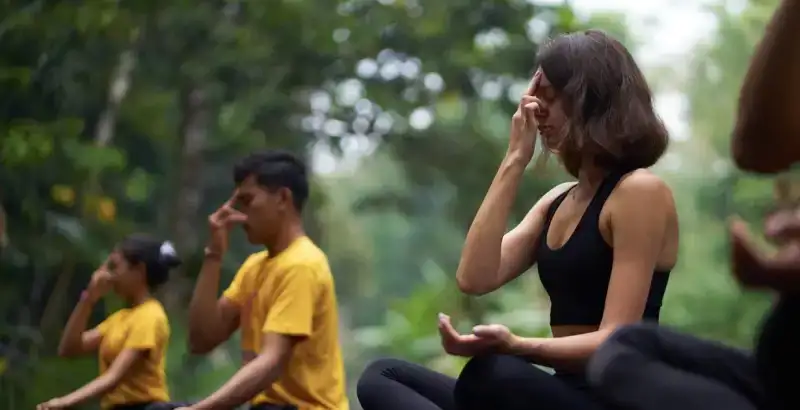
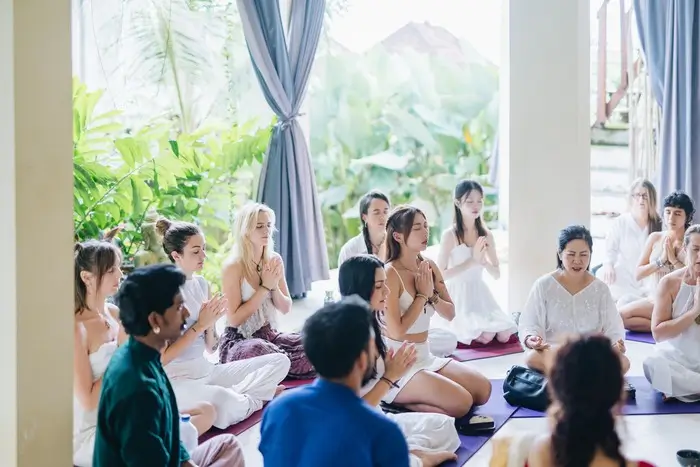
Bali is not just about beaches and breathtaking attractions. If you are looking for wellness and self-care, go to Ubud. Ubud means ‘medicine’ in the Balinese language. The place is a hub of Yoga, healing, and meditation.
Here, you’ll find countless yoga retreats, wellness resorts, and health-focused cafes, making it a perfect place for those seeking to connect with themselves. You can participate in yoga classes, meditation sessions, spa treatments, Balinese massage, herbal scrubs and floral baths.
It’s a great place for relaxation, thoughtfulness, and refreshment, with a peaceful ecosystem and lush greenery. In the peak tourist season, Ubud still manages to retain its peace and gives you the opportunity to experience its unique blend of culture, wellness, and natural beauty.
Travel Tips
- Pack lightweight clothes that are easier to dry, and consider rain gear such as an umbrella, raincoat, and waterproof footwear, which is a plus, especially if you plan to explore Bali’s waterfalls and trekking paths.
- Well, Boat trips are not recommended in this season, the sea route is not favourable and can be unsafe.
- Use bottled water primarily, as tap water may not always be clean or pure during the wet season.
- Use the Grab and Gojek apps for convenient taxi or bike bookings.
- Apply insect repellent during the wet season, as the constant threat of bugs and mosquitoes remains in this month.
- When visiting sacred sites, dress appropriately by fully covering your body and being respectful to the local customs.
Conclusion
Bali is a hidden gem in January. Even though it’s not peak season, you can have fun in numerous ways, such as experiencing its authentic culture, appreciating its natural beauty, and relaxing at affordable accommodations. From fantastic beaches, waterfalls and temples to lively markets, delicious cuisine and wellness retreats and 200 Hour Yoga Teacher Training Bali, Bali is a one-stop destination.
Starting your New Year in Bali allows you to experience the island’s rich traditions, spirituality, and natural wonders in a peaceful and intimate atmosphere. The island appears more vibrant during the monsoon season. Whether you are travelling alone or with family, this is a good time to visit.
Frequently Asked Questions
Q1. Why should you visit Bali in the month of January?
Ans: You should visit Bali in the month of January because it offers a peaceful atmosphere with fewer crowds, lower travel costs and beautifully lush green landscapes.
Q2. What are the best places to visit in Bali?
Ans: Some of the best places to visit in Bali include Ubud, Tanah Lot Temple, Besakih Temple, Lempuyang Temple, Nusa Dua Beach, Tegenungan Waterfall, and Bali Safari & Marine Park.
Q3. Is Bali safe to visit?
Ans: Yes, Bali is generally safe for travelers. Basic precautions like avoiding unlit areas at night, securing belongings, and following local customs ensure a smooth and enjoyable trip.
Q4. Do I need a visa to visit Bali?
Ans: Yes, international travelers need a Visa on Arrival (VOA) or e-VOA to visit Bali. It is valid for 30 days and can be extended once, and your passport must be valid for at least six months.