
Surya Namaskar yoga is the heart of a strong Hatha practice because it acts as a complete discipline that connects the body, the breath, and the mind into one smooth flow. This sequence is made up of 12 specific postures that you weave together with a steady rhythm of breathing, and the body moves from a standing prayer into a deep lunge before bending back and folding forward. This continuous cycle builds a strong internal heat known as Agni, and this heat stretches tight hamstrings, wakes up the core muscles, and gets the joints ready for difficult movements.
The practice works like a moving meditation that honors the sun, so you greet the morning to match your body’s rhythm with the natural world. Good form is very important because it allows you to get the full results, while bad habits can cause injury and reduce the benefits. This guide provides a detailed, step-by-step Surya Namaskar manual that looks at the right alignment, the timing of the breath, and the meaning behind the mantras to help you build a practice based on accuracy and strength.
The Origins and Meaning of Surya Namaskar
The name Surya Namaskar comes from two Sanskrit words that reveal its real purpose. Surya means “Sun,” which is the main source of light and energy for our world, and Namaskar comes from a word that means “to bow.” The phrase translates to “Sun Salutation,” but the meaning is deeper than a simple hello because it represents a full bow where you offer your physical self to the source of all life.
This tradition began thousands of years ago in India’s Vedic age. The Rig Veda, one of the oldest texts in history, calls the sun the “Soul of the Universe.” Ancient people believed the sun gave life to the world and awakened the mind. Early yogis performed these bows at dawn, facing east. The movements we practice today grew directly from these ancient morning rituals.
The practice connects the outside world to your inside world because yoga philosophy says the outer sun has a match inside your body called the Manipura Chakra, or Solar Plexus. This energy center sits right behind your navel and controls your digestion and willpower. Surya Namaskar yoga wakes up this internal fire to match your personal energy with the universal rhythm, so the movements act like a prayer that wakes up the body’s hidden power.
Step by Step Surya Namaskar: The 12 Poses
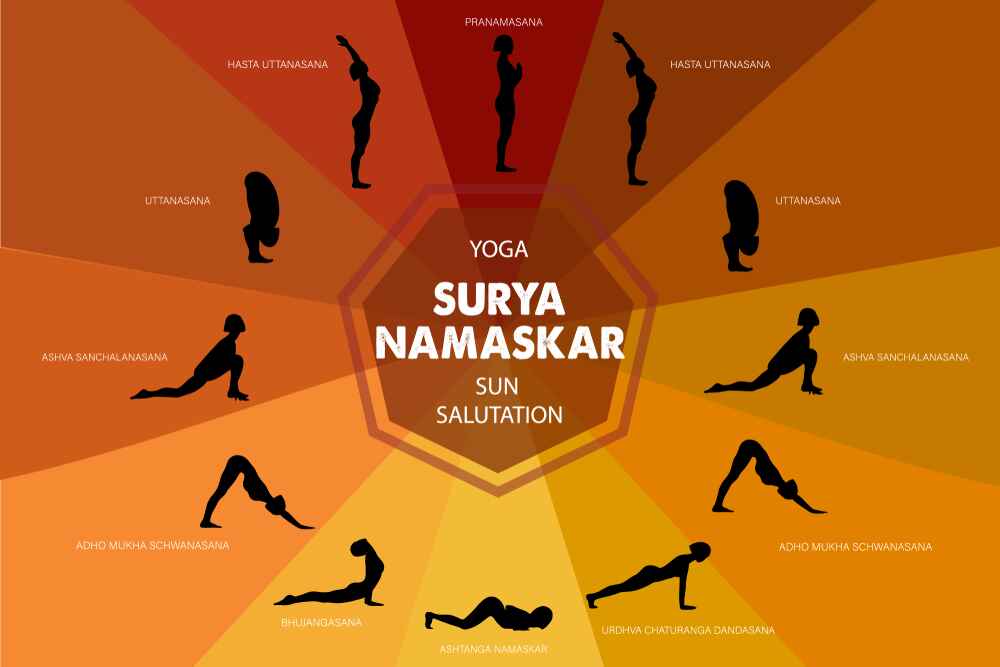
We will now look at the Surya Namaskar Steps in detail. This list covers half a round, so you must repeat the sequence starting with the other leg to finish one full round.
1. Pranamasana (Prayer Pose)
Stand at the front of your mat with your feet together and put your weight on both feet evenly. Tighten your thighs and lift your kneecaps while rolling your shoulders back to make space across your chest. Press your palms together in front of your chest and press your thumbs lightly against your breastbone. Because Surya Namaskar involves repeated transitions between standing and grounded postures, a stable yoga mat is highly recommended. KoshaYoga is known to have some great options.
- Breath: Breathe out completely.
- Focus: Center your mind and get ready to move.
2. Hasta Uttanasana (Raised Arms Pose)
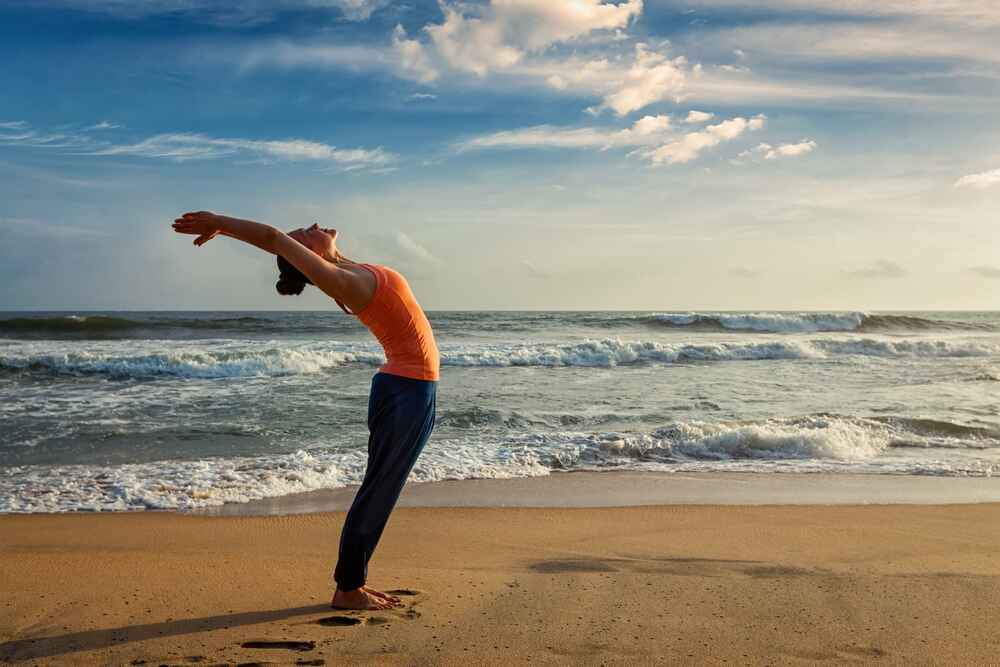
Keep your feet firm on the ground and breathe in while sweeping your arms out and up. Keep your arms close to your ears without squeezing your shoulders, and push your hips forward a little as you reach back to lift your chest toward the ceiling.
- Breath: Breathe in deeply.
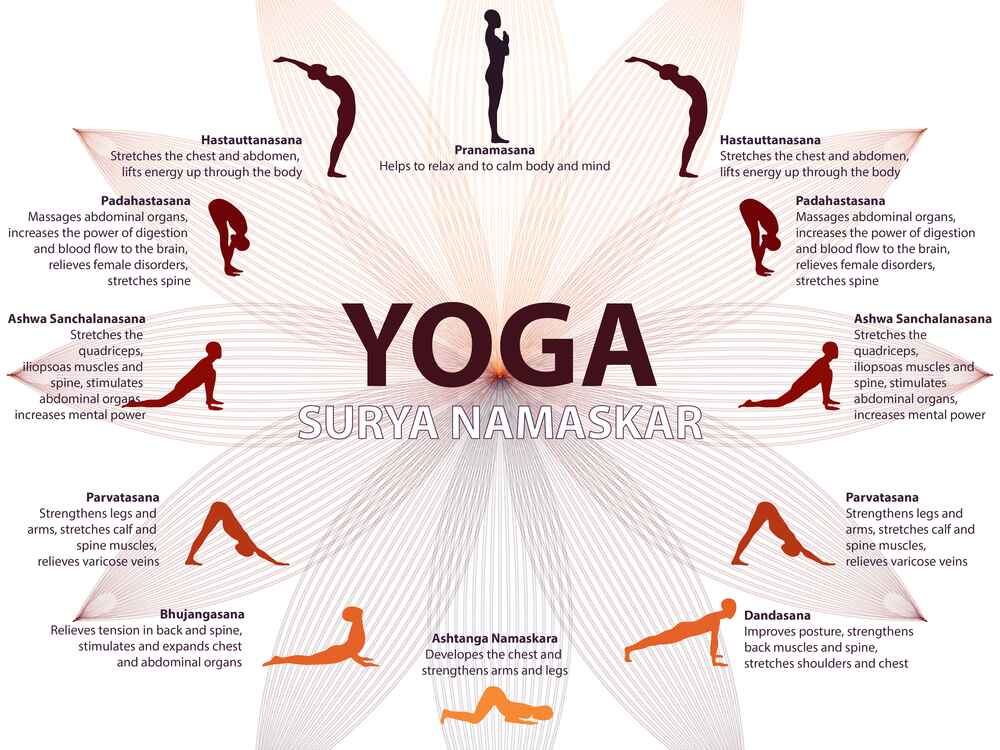
- Focus: Stretches your belly and opens your ribs.
3. Padahastasana (Standing Forward Bend)
Exhale and fold forward from your hips. Keep your spine straight; do not bend from the waist. Place your hands on the floor beside your feet. If your legs feel tight, bend your knees. The goal is to rest your belly on your thighs, not to round your back just to reach your toes.
- Breath: Breathe out slowly while folding.
- Focus: Stretches the whole back of your body.
4. Ashwa Sanchalanasana (Equestrian Pose)
Keep your hands on the mat, breathe in, and step your right leg far back. Drop your right knee to the floor and flatten your foot before sinking your hips down and forward. Lift your chest and look forward while making sure your left knee is right above your left ankle.
- Breath: Breathe in as you step back.
- Focus: Opens the hips and front thigh muscles.
5. Dandasana (Stick Pose) / Plank
Hold your breath or breathe out a little while stepping your left leg back to meet the right so your body makes a straight line. Tighten your core muscles hard and push the floor away with your hands. Squeeze your butt and thighs so your hips do not sag down.
- Breath: Hold your breath or breathe out.
- Focus: Builds strength in your arms and stomach.
6. Ashtanga Namaskara (Salute with Eight Parts)
Breathe out and lower your knees to the floor while keeping your hips up a little. Lower your chest and chin to the floor between your hands so eight parts touch the floor: feet, knees, hands, chest, and chin. Keep your elbows close to your ribs.
- Breath: Breathe out fully as you go down.
- Focus: Relaxes the back and gets the spine ready to bend.
7. Bhujangasana (Cobra Pose)
Breathe in and slide your chest forward while lying flat on your belly to press the tops of your feet into the floor. Use your back muscles to lift your head and chest, but keep very little weight in your hands so you can lift them off the mat without falling. Pull your shoulders down away from your ears and keep your elbows bent.
- Breath: Breathe in as you lift.
- Focus: Strengthens the back muscles.
8. Parvatasana (Mountain Pose)
Breathe out and tuck your toes under before pushing into your hands and lifting your hips high. Your body makes an upside-down ‘V’ shape as you push your chest toward your legs and reach your heels toward the floor. If your back is round, bend your knees to keep your spine straight.
- Breath: Breathe out as you lift your hips.
- Focus: Stretches the shoulders and legs.
9. Ashwa Sanchalanasana (Equestrian Pose)
Breathe in and step your right foot forward between your hands, and if the foot gets stuck, use your hand to help it forward. Drop the left knee to the floor, lift your chest, and look up, which is the same as pose 4 but on the other side.
- Breath: Breathe in as you step forward.
10. Padahastasana (Standing Forward Bend)
Breathe out and step the left foot forward next to the right while keeping your feet together. Fold your upper body over your legs and lift your hips high to stretch deeper.
- Breath: Breathe out as you fold.
11. Hasta Uttanasana (Raised Arms Pose)
Breathe in and push down through your feet to sweep your arms out and up. Lift your body with a flat back and arch your back a little at the top while pushing your hips forward.
- Breath: Breathe in as you stand up.
12. Pranamasana (Prayer Pose)
Breathe out and bring your arms down to put your palms together in front of your chest. Stand tall again and notice how your body feels.
- Breath: Breathe out as you return to center.
This is half a round, so repeat all 12 steps starting with the left leg to finish one full cycle of step-by-step Surya Namaskar.
Breathing Techniques During Surya Namaskar
Your breath controls the movement because, without the right breathing, the practice is just gymnastics. The rule is simple: Breathe in when you open your body, and breathe out when you fold your body. You must breathe through your nose because this warms the air and filters it. Try to make a soft ocean sound in your throat called Ujjayi breath because this sound gives your mind something to focus on. Match the length of your movement to the length of your breath, and if you run out of breath, you should slow down the movement.
Benefits of Surya Namaskar
The practice is good for you in many ways because it changes your body and your mind.
- Physical Health: Surya Namaskar benefits your body greatly because the mix of stretching and strengthening helps your joints stay young. It makes your spine flexible, which fixes bad posture from sitting all day, and the fast flow burns calories to help with weight loss. Folding forward squeezes your belly, which massages your stomach organs and helps with digestion.
- Hormonal Balance: The poses work on the glands in your body because the forward fold squeezes the thyroid gland in your throat, while the backbend stretches it. This flushing action helps regulate your metabolism, and regular practice helps balance hormones, which can help with menstrual issues.
- Mental Clarity: You have to focus to match your breath with the movement, and this keeps your mind in the present moment, so it stops wandering. Regular practice lowers stress hormones, and people who do this often sleep better and feel less anxious. The extra blood flow to the brain helps you think clearly.
- Energy Balance: In yoga theory, the body has energy channels, and one channel connects to the sun, heat, and logic. Surya Namaskar yoga clears this channel to balance your energy. You feel awake but not jittery because it wakes up your life force and sends it through your whole body.
Common Mistakes and Safety During Surya Namaskar
Beginners often rush, and this leads to bad form, so avoid these common errors to stay safe during Surya Namaskar practice.
- Crunching the Lower Back: In Cobra Pose, many people pinch their lower back to get their head higher, but this hurts the spine. Think about reaching your chest forward first and then up by using your back muscles instead of your arms.
- Locking the Knees: Do not lock your knees when you fold forward because this hurts the joint. Keep a tiny bend in your knees so your leg muscles work and protect your ligaments.
- Hunched Shoulders: In Mountain Pose and Cobra Pose, shoulders often creep up toward the ears to make the neck tight. Pull your shoulders down your back to make space between your ears and shoulders.
- Bad Lunge Position: In the lunge, your front knee must not go past your ankle because if the knee goes past the toes, it puts too much pressure on the joint. Walk your foot forward until your shin is straight up and down so the weight stays in your heel.
- Holding Your Breath: Beginners often hold their breath when the pose gets hard, but this raises blood pressure. Keep the breath flowing, and if you cannot breathe smoothly, make the pose easier.
The 12 Surya Namaskar Mantras
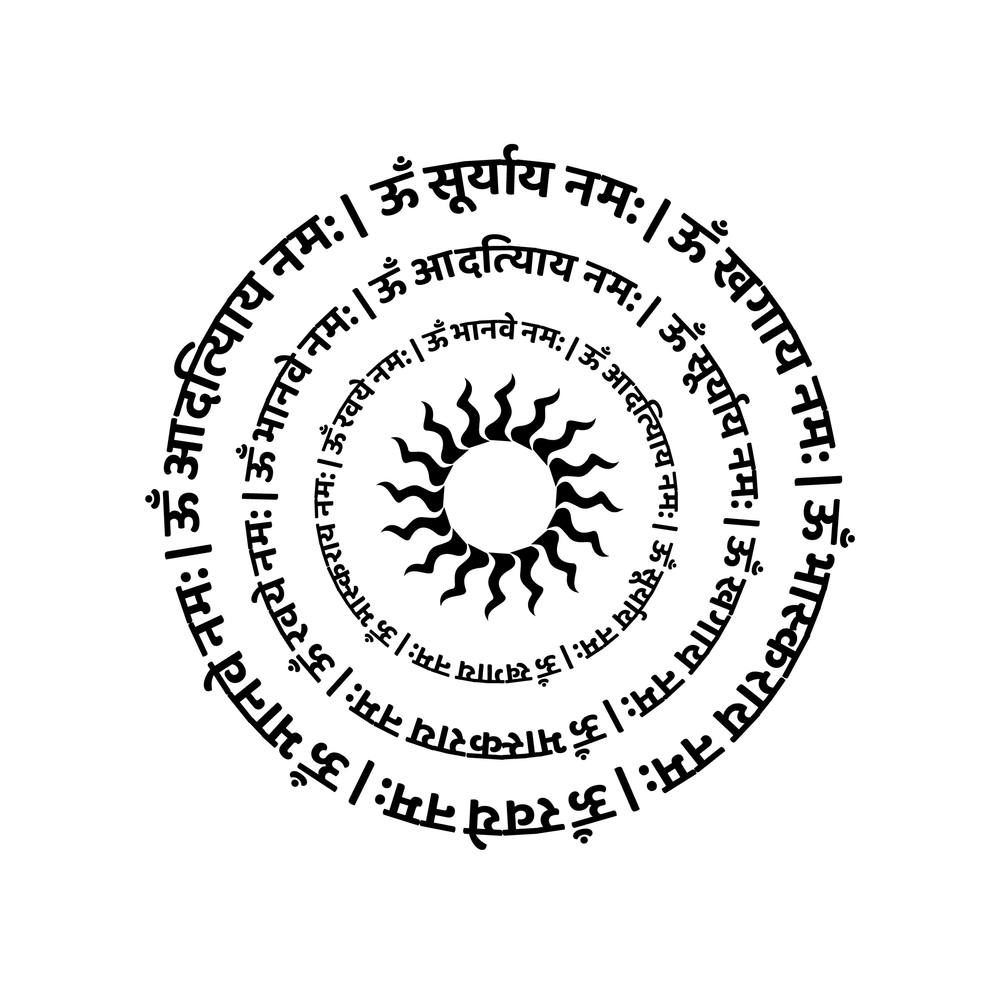
Sound is a big part of the traditional practice because yogis use special sounds called mantras to focus better. These sounds vibrate in your body and can be said out loud before each round or in your head during each pose. A traditional Surya Namaskar mantra practice uses 12 specific names for the sun, and each name honors a different quality.
The Seed Sounds (Bija Mantras). Before the full name, practitioners often say a short “seed” sound, which has no translation but has a specific vibration.
- Om Hram (Stimulates the brain and heart)
- Om Hrim (Stimulates the throat)
- Om Hroom (Stimulates the liver)
- Om Hraim (Stimulates the kidneys)
- Om Hraum (Stimulates the chest)
- Om Hrah (Stimulates the throat)
The 12 Solar Names
- Om Mitraya Namaha (Greeting the friend of all): This stands for friendship and kindness.
- Om Ravaye Namaha (Greeting the shining one): This honors the light that removes darkness.
- Om Suryaya Namaha (Greeting the one who causes activity): This sees the sun as the reason for action.
- Om Bhanave Namaha (Greeting the one who lights up the dark): This honors the source of light.
- Om Khagaya Namaha (Greeting the one who moves in the sky): This refers to the sun’s path across the heavens.
- Om Pushne Namaha (Greeting the giver of strength): This recognizes the sun as the grower of food.
- Om Hiranya Garbhaya Namaha (Greeting the golden cosmic source): This represents the start of creation.
- Om Marichaye Namaha (Greeting the Lord of the Dawn): This refers to the first rays of light.
- Om Adityaya Namaha (Greeting the son of the cosmic mother): This connects the sun to infinity.
- Om Savitre Namaha (Greeting the power of the Sun): This represents the waking up of the human mind.
- Om Arkaya Namaha (Greeting the one fit to be praised): This says the sun is worthy of respect.
- Om Bhaskaraya Namaha (Greeting the one who leads to wisdom): This refers to the goal of understanding yourself.
Using these mantras turns exercise into a spiritual act because you match the sound with the breath and the movement to create a strong focus.
When and How to Practice Surya Namaskar
- Time and Place: The best time to practice is sunrise because the air is calm and your stomach is empty. Facing east connects you with the rising sun, but sunset is the next best time. Never practice on a full stomach, so wait three or four hours after a big meal so your food can digest.
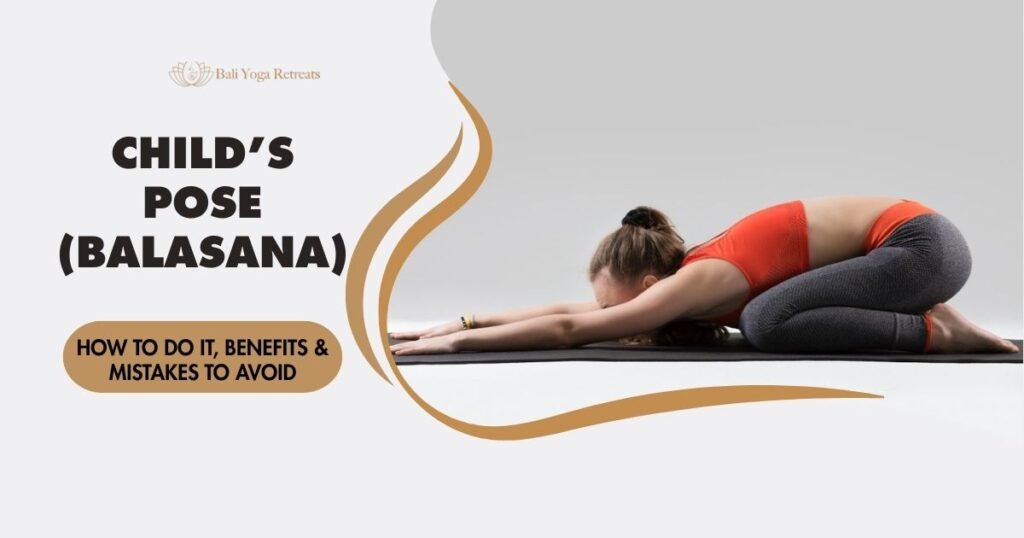
- How Much to Do: Start small, and beginners should do 2 to 4 rounds while focusing on getting the moves right. As you get stronger, aim for 6 or 12 rounds, but listen to your body and rest in Child’s Pose if you feel dizzy.
- Who Should Be Careful: Ask a doctor before starting if you have high blood pressure, a hernia, or a bad back injury. Pregnant women should skip the poses where they lie on their belly and change the sequence after the first trimester by doing a gentle Cat-Cow stretch instead of Cobra.
The Science and Anatomy of the Surya Namaskar Sequence
Surya Namaskar is unique because it mixes stretching with strengthening by moving your spine through its full range of motion. The Surya Namaskar sequence switches between forward folds that bend you forward and backbends that open your chest, and this pumping action brings fresh blood to your spine and nerves.
- How Your Muscles Work: The practice uses almost every big muscle group in your body because your legs power the lunges, while your chest and arms hold you up in the plank and cobra poses. The muscles along your back work to lift your chest while your abs keep your body stable. Unlike gym machines that work one muscle at a time, this sequence works the body as one piece because forward folds work the back of the body and backbends work the front. Many rounds of this sequence build muscle strength and raise your heart rate, so it works just like cardio exercise.
- Calming the Nerves: The sequence helps balance your nervous system because the poses where you breathe in stimulate the “fight or flight” response in a controlled way. The poses where you breathe out and fold forward trigger the “rest and digest” response, so switching between these two states trains your body to handle stress. Your nervous system learns to calm down faster after excitement, which helps lower stress levels in your daily life.
- Cleaning the Body: The muscles squeeze and release like a pump to send blood to your hands and feet. This movement also helps the lymphatic system, which has no pump of its own and relies on your movement to carry fluid and remove toxins. The deep folds and stretches of Surya Namaskar speed up this cleaning process significantly.
Final Thoughts
Surya Namaskar is a complete tool for change because it strengthens the body, calms the mind, and wakes up the spirit. Doing it every day is the key, and ten minutes every day is better than one hour once a week. The sun rises every day without fail, so your practice should be steady like the sun.
We invite you to learn more about these ancient techniques. Join us at Bali Yoga Retreats, where our teachers will help you fix your form and master the Surya Namaskar Steps. You will learn to use this energy in a supportive and beautiful place, so start your journey toward radiance today. If you are ready to further your practice and master these techniques, join our 200 Hour Yoga Teacher Training in Bali, where you will refine your alignment and discover the true power of Surya Namaskar in a supportive, paradise setting.