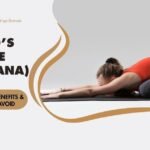

Cobra Pose, or Bhujangasana, is an effortless backbend that is an important part of a healthy yoga practice. It is a simple but effective way to fight against gravity and bad posture. Put your hands under your shoulders and lie on your stomach. Then, lift your chest. This simple move strengthens the spine, opens the heart, and gives the body more energy.
We spend most of our time hunched over desks, looking at our phones, or holding on to steering wheels. Rolling our shoulders forward and our chests inward weakens our back muscles because we don’t use them. Bhujangasana yoga is a direct and effective way to deal with this modern problem because it works the back muscles. It teaches the spine to stretch instead of bend, which makes the muscles in your chest and stomach less tight and helps you stand up straighter and healthier.
This is a full guide to the Cobra pose. It covers the anatomy, benefits, common mistakes, and the right way to do it. This will help you create a safe, strong, and understanding practice, whether you are a beginner who wants to stop back pain or an advanced practitioner who wants to improve their backbends.
What Is Cobra Pose and Where Does It Come From?
Bhujangasana is a Sanskrit word that comes from two words that show what the pose really means: “serpent” or “snake” for Bhujanga and “pose” or “seat” for Asana. The full name is Cobra Pose because the body looks like a cobra that is raising its hood to look around or strike. The legs stay on the ground, like the snake’s tail, while the upper body rises and expands to face the world with alertness.
This picture is significant in yoga mythology because the snake represents fear in many cultures. In yoga, it also represents rebirth and change. When you do cobra bhujangasana yoga, you become like a snake that sheds its skin and starts over. You stand tall and face the world with an open chest, letting go of your old habits of hiding and sitting with a bent back. You get up with a new level of awareness. You have to hold your head high to do the pose, which means you are ready to face life without fear.
The snake also stands for Kundalini, which is the energy that is sleeping at the base of the spine. Many people draw it as a snake that is curled up and ready to wake up. Bhujangasana yoga and other backbends help this energy wake up and move up the spine, which makes the person feel awake, alert, and fully alive. When we act like a snake, we tap into a deep energy that connects us to the sky and the earth.
Key Factors About Bhujangasana (Cobra Pose)
| Aspect | Details |
| Name | Bhujangasana (Cobra Pose) |
| Type | Backbend Yoga Pose |
| Primary Benefits | Strengthens spine, opens chest, improves flexibility |
| Mental Benefits | Overarching lower back, locking elbows, and shrugging shoulders |
| Body Parts Involved | Spine, chest, shoulders, abdomen |
| Difficulty Level | Beginner To Intermediate |
| Best Time To Practice | Morning or early evening on an empty stomach |
| Contraindications | Pregnancy, severe back injury, recent abdominal surgery, wrist injury |
| Duration | 15 To 30 Seconds Per Repetition |
| Breathing | Inhale While Lifting Chest, Exhale While Lowering |
| Common Mistakes | Overarching lower back, locking elbows and shrugging shoulders |
| Preparation Poses | Cat Cow Pose, Sphinx Pose, Shoulder Rolls |
| Overarching lower back, locking elbows, and shrugging shoulders | Follow-Up Poses |
A Step-by-Step Process to Perform Bhujangasana
We will now break down the Bhujangasana (Cobra Pose) into simple, safe steps that you can follow:
1. The Beginning
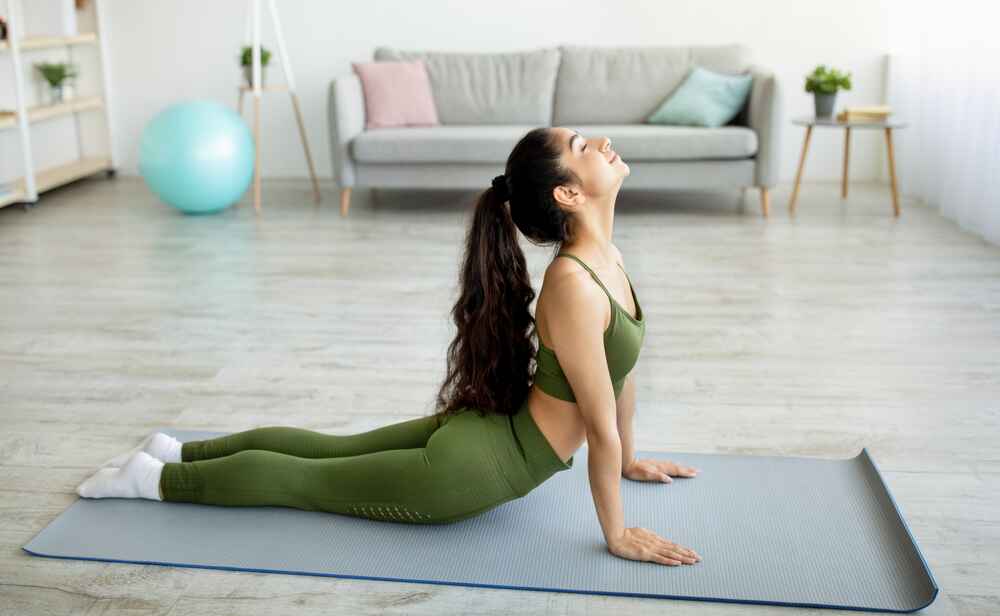
Start by lying on your stomach on your yoga mat with your legs straight behind you. Your heels and feet should touch each other lightly when you keep your legs close together. If the position hurts your lower back, you can move your feet apart until they are the same width as your hips. Put your toes straight back so that the tops of your feet touch the floor and your forehead is on the ground to fully relax your neck.
2. Where to Put Your Hands
Put your hands on the floor under your shoulders and spread your fingers wide to make a strong base. Your elbows should touch your ribs, and your fingertips should be in line with your shoulders. Do not let your elbows stick out to the sides. Keeping them close protects the rotator cuff and keeps the shoulder joint stable.
3. Involve the Foundation
Push down hard on the tops of your feet until your knees come off the ground. This will work the muscles in your quadriceps. Push your pubic bone down into the mat at the same time to stretch your lower back and keep your pelvis in a neutral position. This procedure is an important step because it keeps your lower back from getting hurt while you lift.
4. The Lift
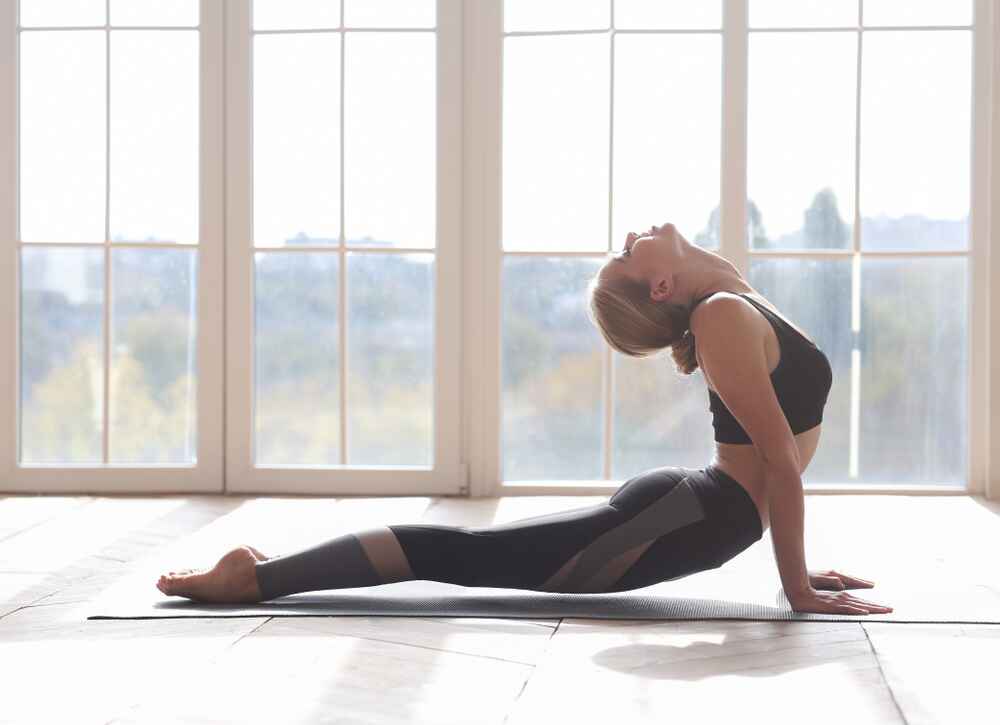
Take a deep breath and start to lift your head, chest, and finally your stomach off the floor. Place your belly button on the floor. Use the muscles in your back to lift yourself instead of your hands. This exercise will show you how strong your back is. To do the cobra yoga pose, keep your elbows bent and close to your body.
5. The Hold
Keep the pose for 15 to 30 seconds and breathe normally. Do not bend your neck too much when you look up or straight ahead. Your legs should stay strong and moving while your pelvis stays on the floor. To give your neck more room, roll your shoulders back and down away from your ears.
6. The Release
Let go of your breath and slowly lower your abdomen, chest, and head back to the floor. Do not let your muscles drop; instead, use them to guide your descent. Let your arms hang down by your sides and turn your head to one side. Take a few deep breaths and let your back muscles relax all the way before you start the next round.
Top Benefits of Bhujangasana (Cobra Pose)
The cobra pose is good for your whole body, and doing it a lot can help your health and posture.
Health Benefits For the Body
- Makes the Spine Stronger: The pose works the muscles that support the spine. It makes the upper, middle, and lower back stronger, which helps with posture and keeps you from getting hurt.
- Makes You More Flexible: When you arch your back, your spine can move more. The movement sends fresh blood to the discs in the spine, which keeps them healthy and moist.
- Helps You Breathe Deeper and Easier: Your rib cage gets bigger, which makes it easier to breathe. This lets the lungs fill all the way up and get more oxygen.
- Good for the Kidneys and Liver: Putting pressure on the stomach helps with digestion. This helps your body get rid of toxins and makes digestion better in general.
- Helps with Sciatica: Gently stretching your lower back can help with sciatica pain. In some cases, it works by taking pressure off the sciatic nerve.
Mental Health Benefits
It helps you think more clearly and stay focused on what you need to do every day. Helps you stay emotionally stable by keeping your mood in check and dealing with your feelings in a calm way.
1. Helps with Stress Management: It calms the nervous system and stops stress from building up. It helps you relax and get your mental energy back, which makes you feel less tired and mentally drained.
2. Mindfulness: It helps you stay in the moment and be more aware of what you are doing and thinking.
3. Improves Mood: Helps the body make hormones that are good for your mental health and make you feel good. Keeps you on track and helps you stay focused for longer periods of time.
Bhujangasana Anatomy and Alignment
To get better at the Cobra Pose, you need to know what happens in the body. You will not get hurt, and you will work the right muscles if you stay in the right position.
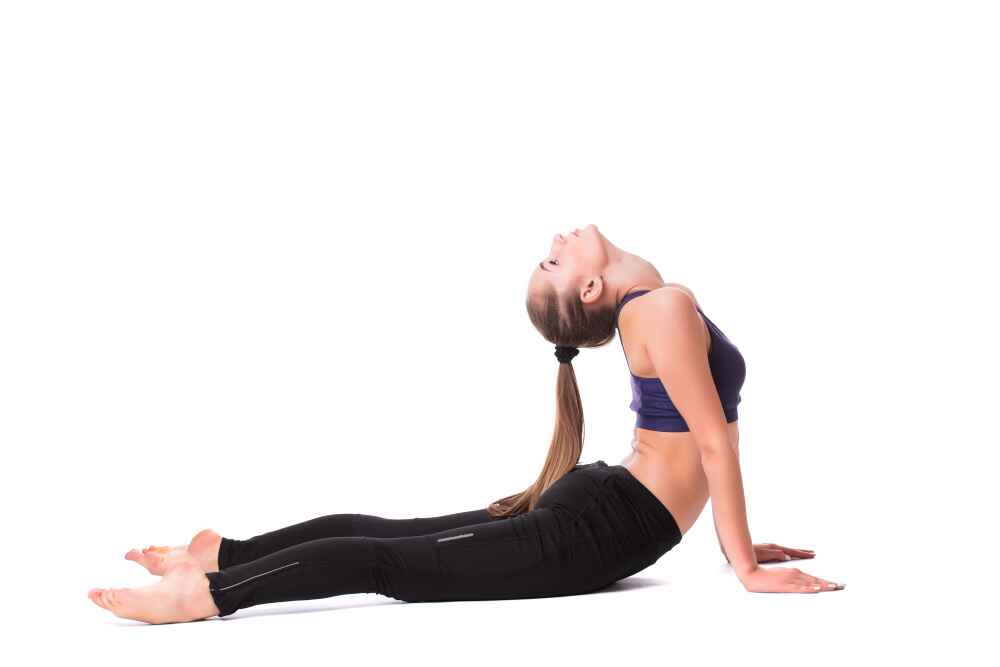
The back bends evenly in the Spinal Extension, Bhujangasana Pose, so the curve should be smooth like a wheel and not sharp like a hinge. Many people “hinge” at the lower back by bending only there. This type of bend hurts because it pushes the bones in your spine together. You should instead think about bending your upper spine between your shoulder blades to work on your upper back. Think about trying to touch the back of your head to your heels while keeping your lower back long. This will make you feel like you are stretching instead of squeezing.
- Leg Engagement: Your legs need to stay active the whole time to keep the pose stable. Push your toenails down into the mat to work your quadriceps and keep your lower body steady. If your legs give out, your lower back has to hold all the weight, which can hurt. Your legs are like the heavy tail of a cobra that keeps you on the ground while your body rises.
- When You Are Stressed: Your shoulders might want to move up to your ears, which makes your neck and upper back tight. To actively lower your shoulders, pull your shoulder blades down your back toward your hips. This move opens up your chest and gives your neck room to breathe. To open your heart center and make your collarbones wider, pull your shoulder blades back a little bit.
- Take Care of Your Muscles: This pose uses the erector spinae muscles, long muscles that run along your spine and perform heavy lifting. These muscles really work when you lift without using your hands. You should use your gluteus maximus muscles, which are the muscles in your buttocks. Do not squeeze them too hard, though, because that will compress the sacrum. The triceps keep the elbows in, and the quadriceps keep the legs down. The glutes should stay soft but active.
Mistakes That People Make in Bhujangasana and How to Fix
People who have done yoga for a long time still make mistakes when they do the cobra pose. Be careful not to make these common mistakes that can make your practice less safe and useful.
Many students believe that lifting more is better, so they push hard with their hands and hurt their lower back. Putting pressure on the lumbar vertebrae can hurt them.
Correction: Before you lift, make sure to stretch your spine forward. Keep your pubic bone on the floor and only lift as high as your back muscles can handle. Before you think “high,” think “long.”
Winged Elbows: The elbows tend to move out to the sides, which puts stress on the shoulder joints and makes it hard for the arms to connect to the back muscles.
Correction: Keep your elbows close to your ribs. Imagine having a thermometer in each armpit that you don’t want to drop. This exercise works the triceps and keeps the shoulders from going up.
When shoulders look like turtles, they often curl up toward the ears. This makes the neck go away and puts a lot of strain on the trapezius muscles.
Roll your shoulders back and down before you even lift your head. Keep pulling your shoulder blades toward your hips while you are in the pose. Make sure your neck feels long and open.
Heavy Hands: A lot of the time, students only use their arms to push the floor away, like when they do a push-up. This makes their back muscles weak, which is the opposite of what the pose is supposed to do.
To show that you are using your back muscles, lift your hands off the floor for a second at the beginning of the pose. Then, to help, gently lower your hands. Only use them to deepen the pose once your back muscles are fully engaged.
Bhujangasana Variations for Beginners to Advanced
Cobra, also called Bhujangasana, to fit your body and how long you have been doing it.
- Baby Cobra: This is the best version for beginners because you keep your elbows bent and only lift your chest a few inches while keeping your hands off the ground. This is a safe way to work on your back and learn how to use the erector spinae muscles without using your arms. This kind of pose is a simple but helpful way to get ready for deeper backbends.
- The Sphinx Pose: It is a good way to relieve pain and stiffness in the lower back. Put your elbows on the floor next to each other, with your forearms on the floor. To do a gentler, more passive backbend, press down on your forearms to lift your chest. This technique lets you stay in the pose longer and pay attention to your breathing without putting too much strain on your lower back.
- Raja Bhujangasana: Also known as King Cobra, this is a pose for advanced students who already know the first one. In full Cobra, you bend your knees and touch your toes to your head. By putting your head back and touching your toes, you make a big circle with your body. For this, your shoulders, hips, and back need to be very flexible. Please ensure your spine is prepared before attempting this.
Read More: Tadasana (Mountain Pose): The Foundation of All Standing Yoga Poses
Final Thoughts
The Bhujangasana pose is more than just a stretch; it is a powerful way to change your body and mind that works against the bad effects of sitting too much. It revitalizes the spine and expands the heart’s potential. You do not have to do deep backbends on the first day. Just keep doing them. To make your back stronger, start with Baby Cobra Pose or Ardha Bhujangasana. Over time, your spine will become more flexible, and your chest will open up. This will make you feel taller and more confident.
In this pose, we cultivate a cobra-like connection to the ground and our roots. We also stand up to the world with a clear vision, letting go of our old limits. We suggest you learn more about this pose, as getting the right alignment alone is hard. Our certified teachers at Bali Yoga Retreats will help you find the cobra pose that works best for your body.
Our 200 Hour Yoga Teacher Training in Bali will help you deepen your practice by teaching you about the philosophy behind the poses, anatomy, and alignment. Begin your journey to a strong and healthy spine right now.