


7 Health and Wellness Benefits of Daily Yoga Practice
Table of Contents
Many wellness practices promise immediate results, but yoga works differently and requires time and consistency. Even just a few minutes of practice each day can go a long way in improving your physical and mental well-being.
Rather than targeting each body part individually, yoga serves the body as a whole. The way we move affects how we breathe; the way we rest shapes our energy; and our state of mind often reflects how we care for our body. Consistent yoga practice acknowledges these connections, offering benefits that support overall health in subtle ways.
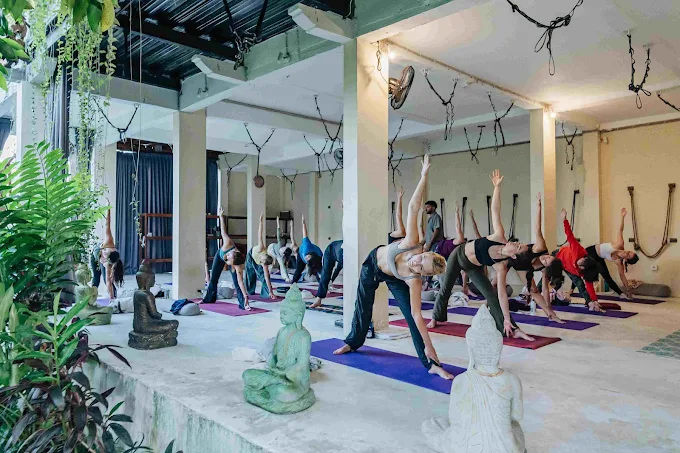
In this guide, we dig deeper into some of the health and wellness benefits of daily yoga practice.
7 Health Benefits of Daily Yoga That Can Improve Your Quality of Life
1. Improves Mobility
This is perhaps the most obvious benefit of regular yoga practice. The repeated, consistent, and gentle movements improve your daily movement quality without putting strain on your critical muscles and joints. If you’re feeling stiffness in your hips, tightness in your shoulders, or any other mobility difficulties, yoga is a safe, low-impact way to address these issues. Improved mobility also affects how comfortably you move through everyday life. Seemingly simple tasks such as walking, carrying groceries, or completing household chores can feel easier when you have a greater range of mobility.
2. Better Sleep Quality
One of the more immediate effects of daily yoga practice is better sleep. Breathwork and gentle movement promote relaxation and can ease physical tension, which in turn may help you to sleep more deeply for longer. Sleep is essential to our well-being, making a yoga retreat in Bali a great option if you want to take a restorative break abroad. The impact of quality sleep goes beyond how rested you feel the next day. It also influences your concentration levels, mood, energy levels, and your body’s ability to recover physically, making rest an important part of your overall well-being.
3. Supports Emotional Regulation
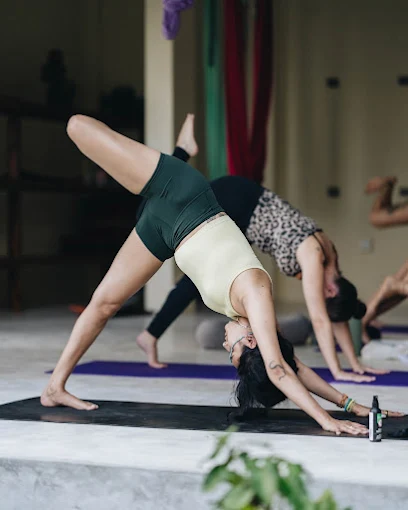
Every part of yoga practice is intentional, from breathing and mindfulness meditations to the order of poses and how long you hold each one. This intentionality encourages you to be more centred and grounded, which helps regulate your nervous system and supports your mental wellbeing. In fact, yoga is recommended to complement traditional therapies for people suffering from mental health conditions such as depression.
Whether you’re trying to hold a tree pose for an extended period or you’re flowing through the movements of your morning asana, yoga encourages you to be more mindful of your movements. Each pause gives you space to check in with your emotions and focus on the present moment as you breathe in and out.
4. Promotes Better Posture
Modern work culture can have a negative impact on overall wellness, but its most obvious physical manifestation can usually be seen in our posture. Sitting at a desk for eight hours can lead to a stiff neck, shoulder tightness, hip and lower back discomfort, and spinal problems. Yoga poses target specific areas of the body, strengthening the muscles that support your spine, building core strength, and relieving tension by encouraging spinal fluid movement. Better posture also helps improve your balance, supports easier breathing, and reduces unnecessary strain on muscles that may be compensating for poor alignment.
5. Improve Breathing and Energy Levels
Many people breathe shallowly, which can limit oxygen intake. This can trigger your body’s stress response, causing chronic fatigue, dizziness, dry mouth, muscle tension, and increased anxiety. Left unchecked, it can lead to more serious issues, putting strain on your heart and weakening your immune system. Yoga teaches you to breathe slowly and more deeply, which can help reduce stress, lower blood pressure, and prevent the onset of anxiety-induced panic attacks. It also promotes better oxygen intake, keeping your energy levels stable.
6. Helps To Build More Consistent Self-Care Habits
Beginning – and maintaining – a consistent wellness routine is challenging, especially if the experience is your first time. Yoga is a low-impact activity that only requires a few minutes each day; it doesn’t require any special equipment apart from an exercise mat, and only a small amount of space is needed in your home. Such an approach makes it easier to practise yoga every day.
Getting Started With Yoga
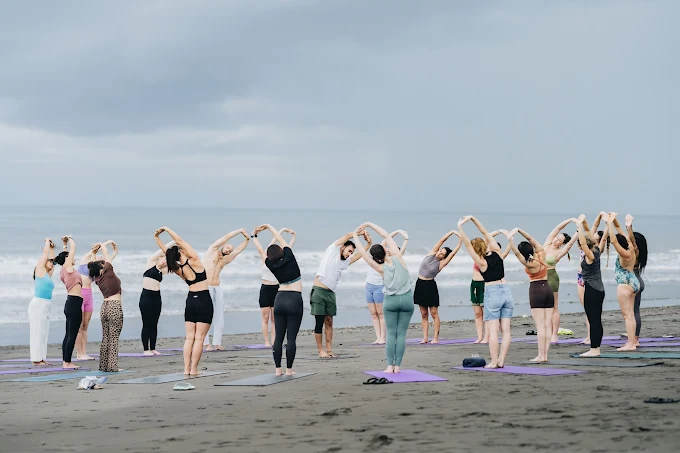
You don’t need to be experienced at yoga to reap significant health and wellness benefits. Even at the start, you’re likely to notice better quality rest, a wider scope of movement, and greater awareness of how your body and mind feel. Start by dedicating just a few minutes to practising yoga each day, holding yourself accountable until wellness naturally becomes part of your routine. When you’re ready to deepen your practice, consider taking a yoga class in Bali. There are a number of the best yoga schools where you’ll learn from experienced yoga teachers who will support you every step of the way.
This article is for general information and is not medical advice. If you have a respiratory or heart condition, are pregnant, or are unsure whether these practices suit you, please speak to your doctor before beginning.


 Call Us