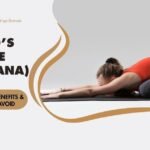

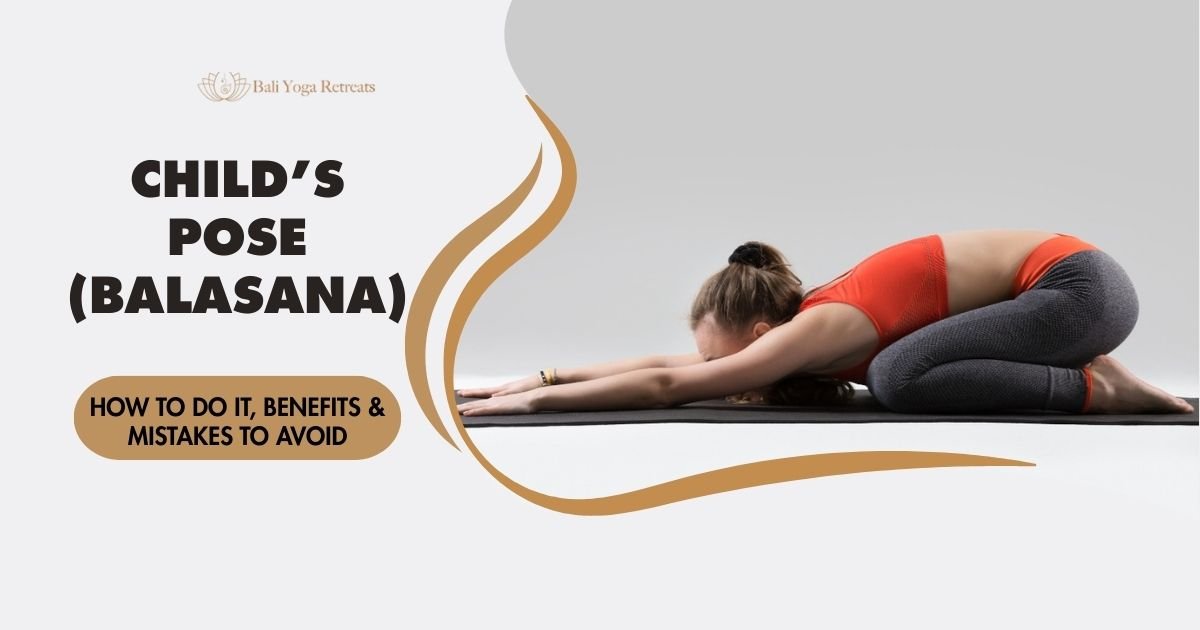
Have you ever finished a hard workout or a stressful day at work and just wanted to lie down and rest? Many of us feel this way. Life moves very fast, and sometimes your body simply needs you to slow down. In the world of yoga, there is a simple stretch made for exactly that feeling. It is called Child’s Pose, or Balasana in Sanskrit.
Whenever you scroll through your social media feeds lately, the fitness world almost always looks like a huge, ongoing race. People are always posting videos of themselves holding hard handstands or getting totally soaked in sweat during really tiring gym classes. But taking good care of your body is not only about moving at top speed and lifting the heaviest weights you can possibly find. Your body actually needs a set time to heal from all that daily stress. Your muscles badly need a break after they work so hard, and your mind also needs completely quiet moments just to stay calm and steady.
Whether you are a total beginner rolling out a yoga mat for the very first time in your life, or someone who has been going to classes for years, learning how to do Child’s Pose the right way can completely change how your body feels. You will often see yoga teachers using this exact pose as a safe resting place between much harder moves, but it is also a really great stretch to practice all on its own.
We are going to take a closer look at what this stretch actually is, how you can do it step by step, why it makes your tired body feel so good, and the most common mistakes you should try to avoid making.
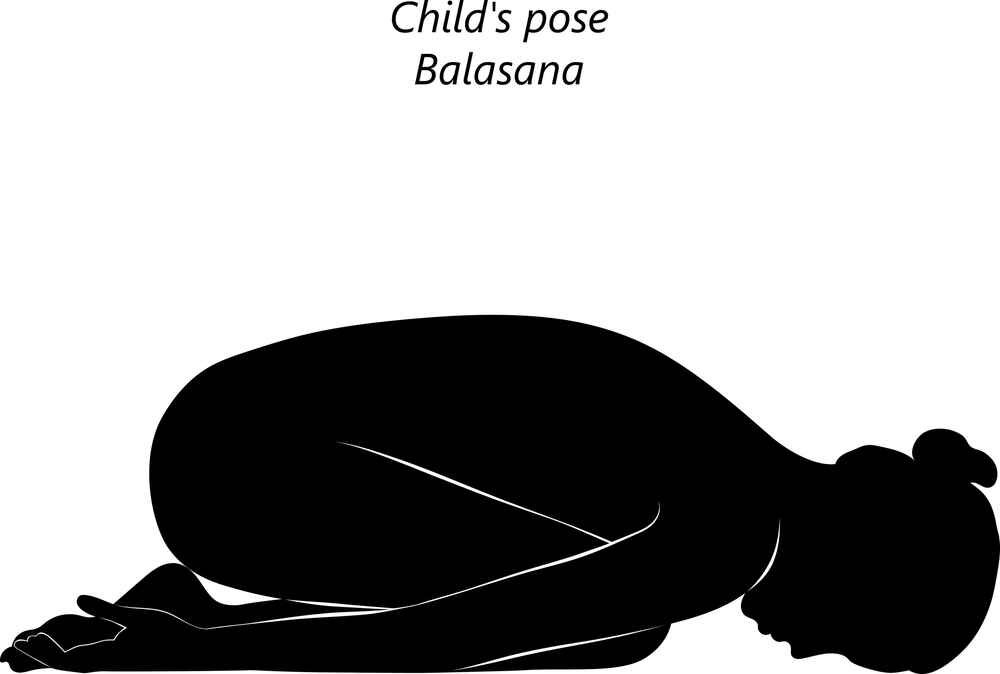
What is Child’s Pose (Balasana)?
If you want to understand why this exact stretch feels so completely natural, it really helps to look at exactly what the name means. The word itself comes from the very old language called Sanskrit, from which yoga is built. The word “Bala” simply means child, and the word “asana” means pose or seat. When you put those two words together, you really get the pose of a child.
This makes perfect sense when you think about it. If you watch toddlers play, they often curl their bodies into this forward folding position when they feel tired, overwhelmed, or want to feel safe.
Children naturally know how to rest when their bodies need it. Adults, however, often ignore these signals. We push through tiredness, drink more coffee, stare at screens for long hours, and keep working even when our bodies need a break.
Practicing Child’s Pose in yoga is a simple way to return to that natural feeling of rest. It is a posture that makes your body feel safe and relaxed. When you fold your body inward and rest your head on the floor, you block out bright lights, screens, and other distractions around you. Your view becomes small and quiet. This allows you to focus only on your breathing and relax your muscles.
Many yoga teachers describe Child’s Pose as a place where you can pause, reset, and reconnect with yourself.
Even in busy yoga classes, teachers often remind students that they can return to Child’s Pose whenever they need a break. It works like a safe resting place where your body can relax before continuing.
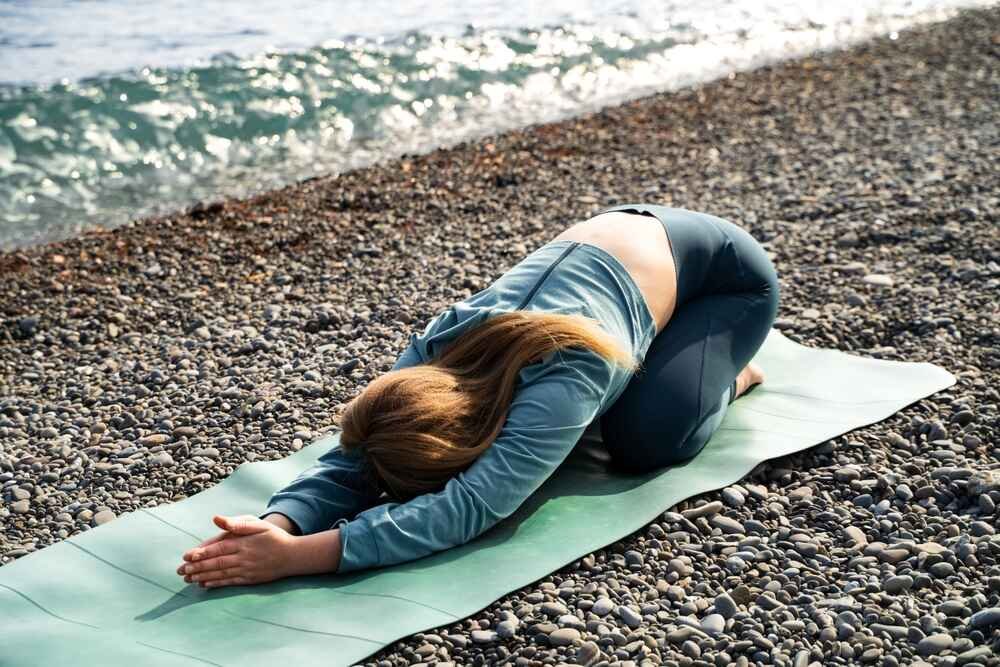
How to Do the Child’s Pose Exercise
One of the best things about this pose is that almost anyone can try it. You do not need to be very flexible. You also do not need any special equipment. Just find a soft place on the floor or use a yoga mat.
You should always make sure to go slowly whenever you are getting ready to start this stretch. Doing yoga is never supposed to be about rushing through all the movements just so you can get them over with quickly. It is mostly about moving as slowly as you comfortably can and paying very close attention to exactly how your body feels right now.
Here is a very simple and easy way for you to get down into Child’s Pose:
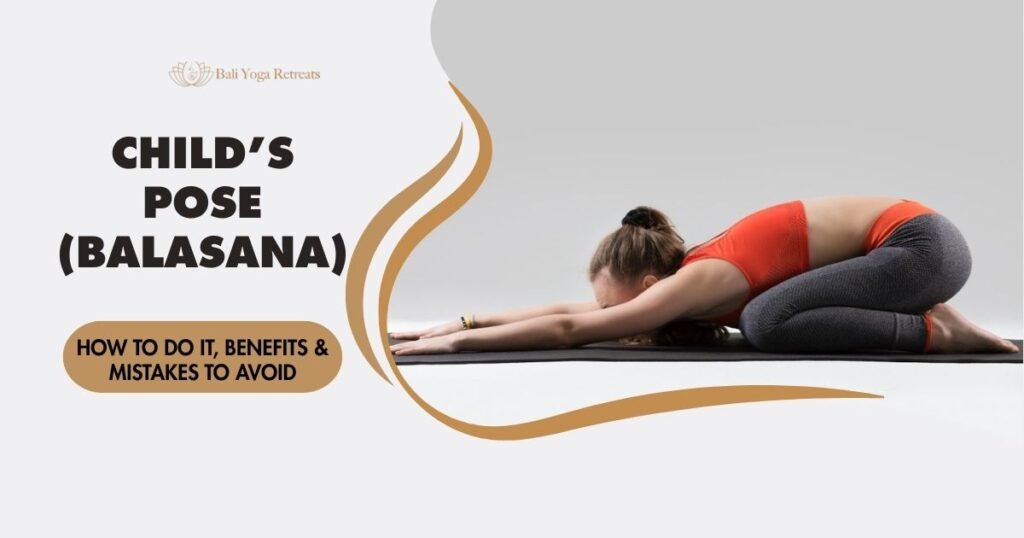
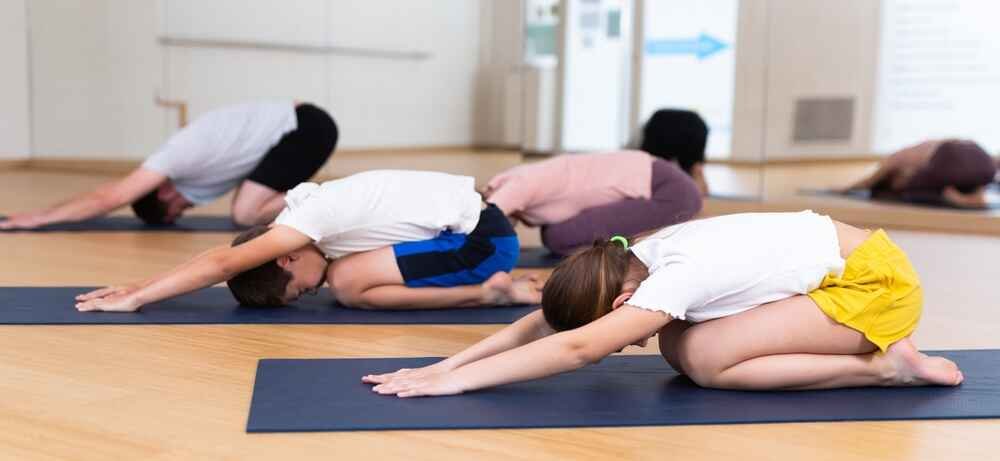
Step 1: Get into a Tabletop Position: Start by getting down on your hands and knees right there on the floor. Your hands should be resting flat right underneath your shoulders, and your knees should be resting right underneath your hips. Yoga teachers usually call this a tabletop position simply because your back is flat and looks exactly like a normal table.
Step 2: Bring Your Big Toes Together: You will want to move your feet closer to each other so that your two big toes are touching each other right behind you. Let the flat tops of your feet rest completely flat on the floor behind you.
Step 3: Push Your Hips Back: Start to very slowly push your hips backward so they are heading right toward your heels. If your hips do not touch your heels all the way, you do not need to worry about it at all because that is completely fine and very normal for most people.
Step 4: Stretch Your Arms Forward: Slowly walk your hands forward along the floor and stretch your arms all the way out in front of you. Try to reach your fingers as far forward as you can to give your entire back a really good stretch.
Step 5: Rest Your Forehead: Let your chest drop down toward the floor and very gently rest your forehead right on your mat. If your head does not reach the floor easily without hurting your neck, just place a soft pillow, a yoga block, or a folded blanket right underneath your head so you can comfortably relax.
Step 6: Breathe Slowly: Go ahead and close your eyes while taking some very slow and deep breaths. You want to try to feel your back and your ribs stretching outward every single time you take a big breath in. Let your entire body relax a little bit more every single time you let your breath out.
You can stay in this quiet pose for five slow breaths, or you can stay there even longer if it feels really good for your tired body. Whenever you feel ready to come out of the stretch, press your hands gently into the floor and very slowly lift your upper body back up to exactly where you started.
Try These Easy Variations for Different Bodies
A good yoga stretch should fit your body. You should never force yourself into a shape just because it looks good in a photo.
Because everyone’s body is different, the normal version of the pose may not feel perfect right away. Luckily, Child’s Pose is easy to adjust.
Here are a few simple changes that may feel better for your body:
1. The Wide Knee Version
- This is the way most people practice Child’s Pose. Spread your knees wide apart before you push your hips back.
- This gives your stomach and chest more room to lower toward the floor and creates a deeper stretch in your hips and inner thighs.
- It is also the safest option for pregnant women because it allows space for the belly.
2. The Closed Knee Version
- Keep your knees together while pushing your hips back. In this version, your stomach rests on your thighs.
- As you breathe deeply, your belly presses gently against your legs. This can help your stomach and digestion feel better and stretch your lower back more.
3. The Relaxed Arms Version
- Instead of stretching your arms forward, place them beside your legs.
- Let your hands rest near your feet with your palms facing upward. This helps your shoulders drop and relax your upper back and neck.
Health Benefits of Child’s Pose
Doctors, physical therapists, and fitness trainers often recommend this simple stretch to help people recover from injuries or poor posture. It is not only relaxing. It can also help your body work better.
Here are some ways Child’s Pose can help your body and mind:
1. It Calms Your Body
- Life can be stressful. Work, traffic, and daily responsibilities keep many people feeling tense.
- Child’s Pose activates your body’s natural relaxation system. This helps slow your heart rate, lower stress levels, and bring your body into a calm state.
2. It Helps Lower Back Pain
- Sitting in a chair for long hours puts pressure on the lower back.
- Child’s Pose gently stretches the back muscles and gives your spine a small break from that pressure. This is why many physical therapists recommend it.
3. It Loosens Tight Hips
- Walking, running, and sitting can make the hips feel tight.
- The wide knee version gently stretches the hips and inner thighs without putting too much pressure on the joints.
4. It Helps Digestion
- When your stomach rests on your thighs, your breathing creates gentle pressure on your stomach and intestines.
- This movement can help digestion and reduce bloating.
5. It Clears Your Mind
- Resting your forehead on the floor helps your eyes and brain relax. You stop looking around the room and focus only on breathing.
- Many people notice their minds become calmer after staying in the pose for a few minutes.
Common Mistakes to Avoid
Even though this is a gentle pose, some people strain their bodies by pushing too hard.
Here are a few mistakes to avoid:
- Do Not Force Your Hips Down: If your hips do not reach your heels, do not push them down. Place a folded blanket or towel behind your knees for support.
- Do Not Strain Your Neck: Your head should rest comfortably on something. If it does not reach the floor, use a pillow or yoga block.
- Do Not Hold Your Breath: Your stomach may feel slightly compressed. Focus on breathing slowly into your back and ribs.
Taking the Next Step in Your Yoga Journey
Learning Child’s Pose is really about learning how to rest. It reminds us that we do not always need to push our bodies. This simple stretch can help anytime you feel tired, stressed, or sore.
If you enjoy how these stretches make you feel and want to learn more, practicing with a teacher can help a lot. A structured yoga training program can teach you how your body moves and how breathing supports each posture.
The next time you sit on your yoga mat, remember that taking a break is not a bad thing. Sometimes, a few quiet minutes in Child’s Pose is exactly what your body needs.
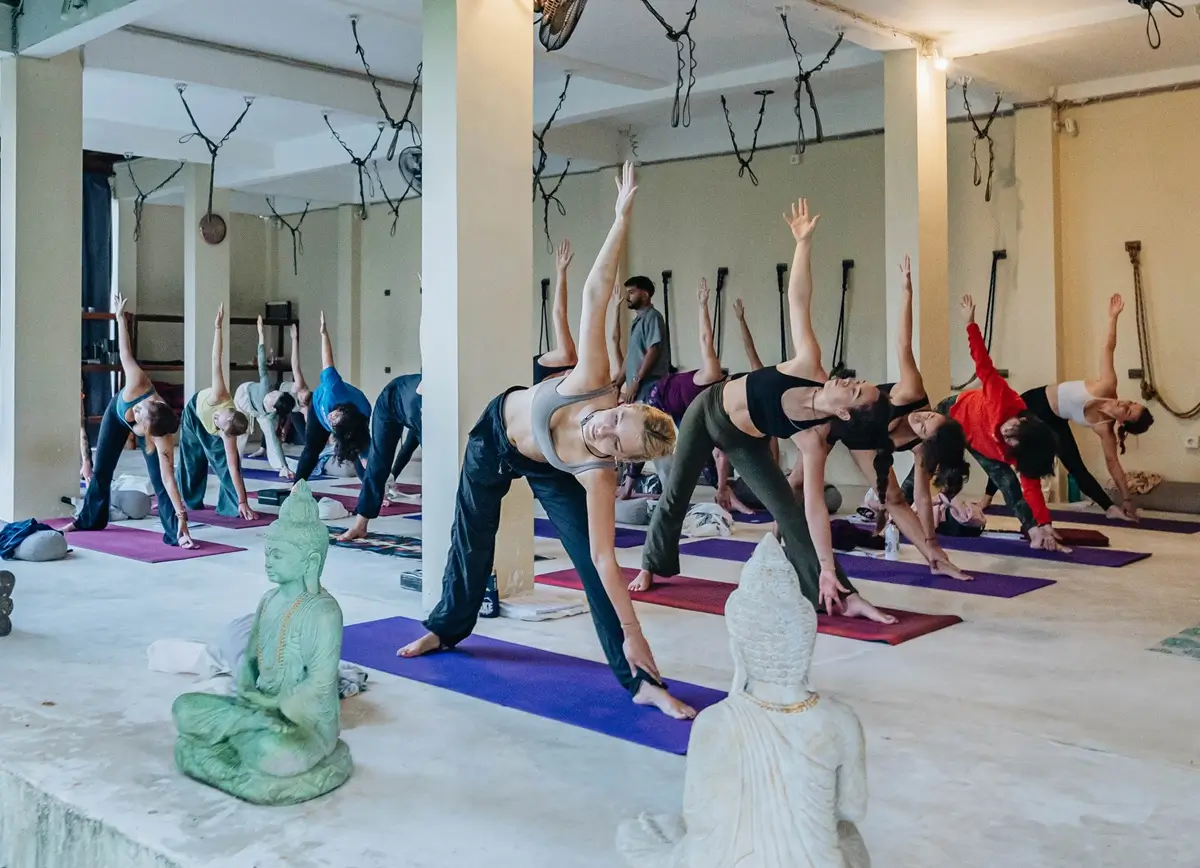
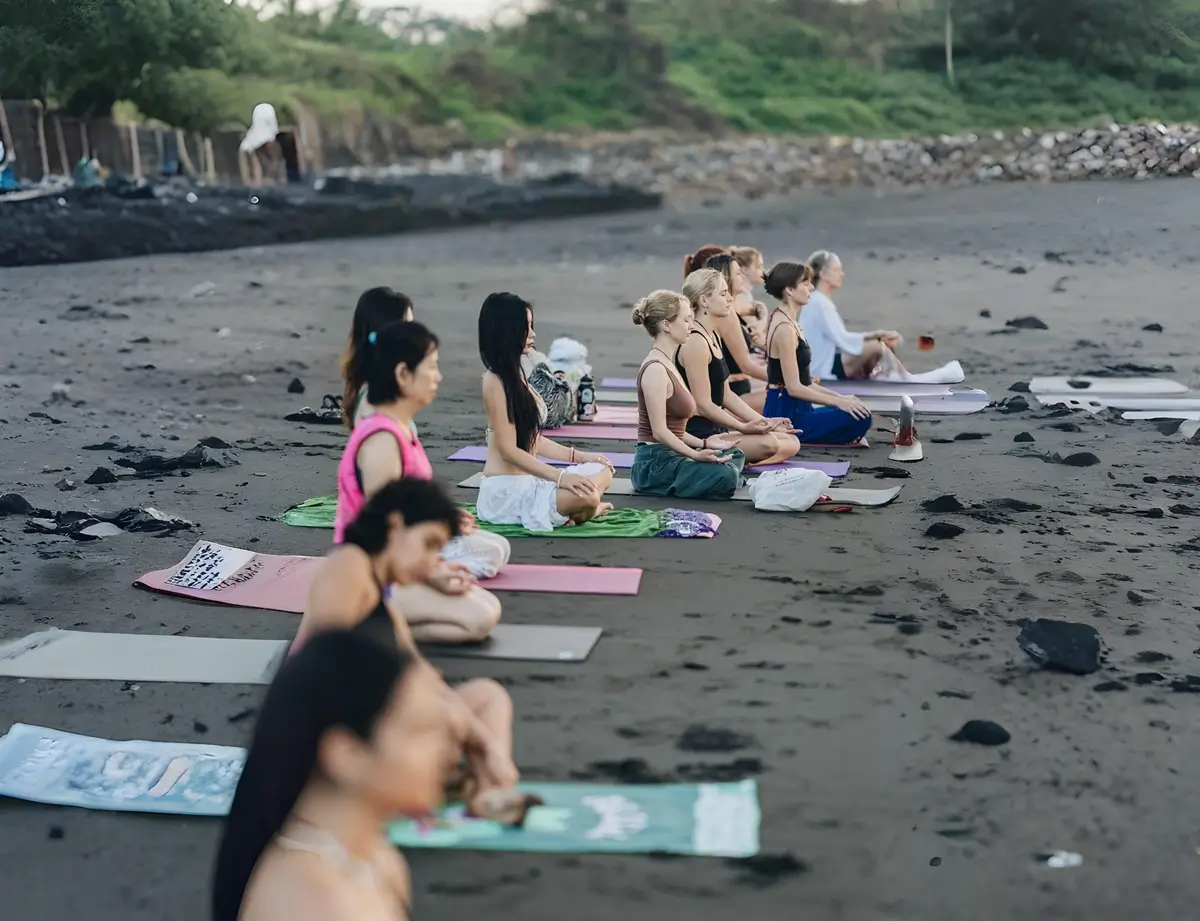
Many people who enjoy Child’s Pose choose to deepen their practice at Bali Yoga Retreats, where programs like the 200 Hour Yoga Teacher Training Bali help students connect more deeply with their body, breath, and mind.
Read More: Trikonasana Yoga: Benefits, Steps, and Tips
Conclusion
Child’s Pose is a gentle reminder that taking a break is just as important as working hard. Taking a few quiet minutes to stretch your back and breathe deeply is an easy way to let go of physical tension and clear your head. Just lower down to your mat, close your eyes, and give your body the rest it deserves.
FAQs About Child’s Pose
1. Is Child’s Pose good for beginners?
Yes. It is one of the easiest yoga poses and is safe for beginners.
2. How long should you stay in the pose?
Most people stay for five to ten breaths, but you can stay longer if it feels comfortable.
3. Does it help with back pain?
Yes. It gently stretches the lower back and can reduce stiffness from sitting.
4. Should knees be together or apart?
Both are correct. Knees together stretch the back more, while knees apart stretch the hips more.
5. Can I do it every day?
Yes. Child’s Pose is gentle and safe to practice daily.