

Crocodile Pose in Yoga: Benefits, Steps, and Tips
Table of Contents
- What is Crocodile Pose in Yoga?
- History of Crocodile Pose (Makarasana)
- Step-by-Step Guide to Practising Crocodile Pose
- Benefits of Crocodile Pose
- Who Can Practise Crocodile Pose?
- Variations and Modifications to Crocodile Pose Yoga
- How to Integrate Crocodile Pose into Your Daily Life
- Common Mistakes and How to Correct Them
- Consider Combining Crocodile Pose With Other Yoga Practices
- Using Props for Maximum Comfort
- Practising Crocodile Pose at Bali Yoga Retreats
- Conclusion
- 1. Is the crocodile pose yoga suitable for beginners?
- 2. When will I get the most out of my practice of makarasana Yoga?
- 3. Can makarasana yoga help relieve back discomfort?
- 4. Is it safe to practice in a public park or beach in Bali?
- 5. How often should I do the crocodile pose?
- 6. Can doing the crocodile pose yoga improve sleep quality?
Crocodile Pose (Makarasana Yoga) is among the restorative postures that provide your body with rest to recover from stress, increase your efficiency, and reduce tension in your mind and body by increasing your breathing and the meditative practice of yoga. A restorative pose can help reduce stress and restore balance to your routine.
Many people experience emotional stress daily due to life events such as unemployment, separation or divorce, family problems, moving to a new city, or a lack of supportive and caring family members. Makarasana Pose can help re-centre the mind and body by lying face down, allowing tension to release from the fingers and toes into the ground. The combination of stress relief and the release of back muscle tension provides the most significant benefits of this restorative posture.
In this article, we will discuss how restorative poses are becoming necessary for mental and physical health, as more than 70% of adults experience daily stress. The following guide explains how to use Crocodile Pose Yoga in your daily practice and provides clear information on its history, benefits, how to perform it, and other resources for Makarasana Yoga.
What is Crocodile Pose in Yoga?
The Crocodile Pose is a restorative yoga pose that brings deep relaxation to us. It is not one of the advanced poses, which typically demand balance or flexibility. Instead, it focuses on proper breathing techniques and spinal alignment for body maintenance while allowing the individual to release stress from the lower back, neck, and shoulders. As a restorative pose, you can rest your body while calming and relaxing your mind. It is known that performing this pose daily can lead to reduced stress, better posture, and improved breathing. This pose is beneficial to both beginners and experienced yogis because it can be included in a daily routine as restorative yoga.
Key Principles of Crocodile Pose are:
- Alignment of the spine while lying in a prone position.
- Relax our shoulder, neck, and hip area.
- We use deep, mindful breathing to calm the mind.
- Preparation for meditation or other restorative practices.
The Crocodile Pose Yoga is perfect for beginners, people with mild back pain or neck pain, and those looking to achieve mental clarity and release stress.

History of Crocodile Pose (Makarasana)
The Crocodile Pose is one of the asanas of traditional Hatha Yoga. Ancient yogis noticed the peacefulness and stillness of crocodiles when they were lying on water and created this pose to imitate their peaceful state of mind. Initially, it was primarily used to relax the body, enhance breathing, and assist with meditation.
Some Historical Points:
- The Crocodile Pose Yoga originated from the Hatha Yoga tradition.
- The name comes from the Sanskrit word “Makara,” which means crocodile.
- It is typically used in conjunction with meditation and pranayama.
- Classical yoga texts recognise the crocodile pose as a restorative posture.
Step-by-Step Guide to Practising Crocodile Pose
Crocodile Pose is not difficult; however, proper alignment will yield the most tremendous benefits.
Practise in a place where you can be quiet & relaxed, preferably with a yoga mat (or something soft to lie on) underneath you, or go outside to feel the serenity of nature, as you will have the greatest experience possible. Concentrate on your alignment and breathing as you enter the Crocodile Pose.
Steps for Practising the Crocodile Pose Within the Discipline of Yoga:
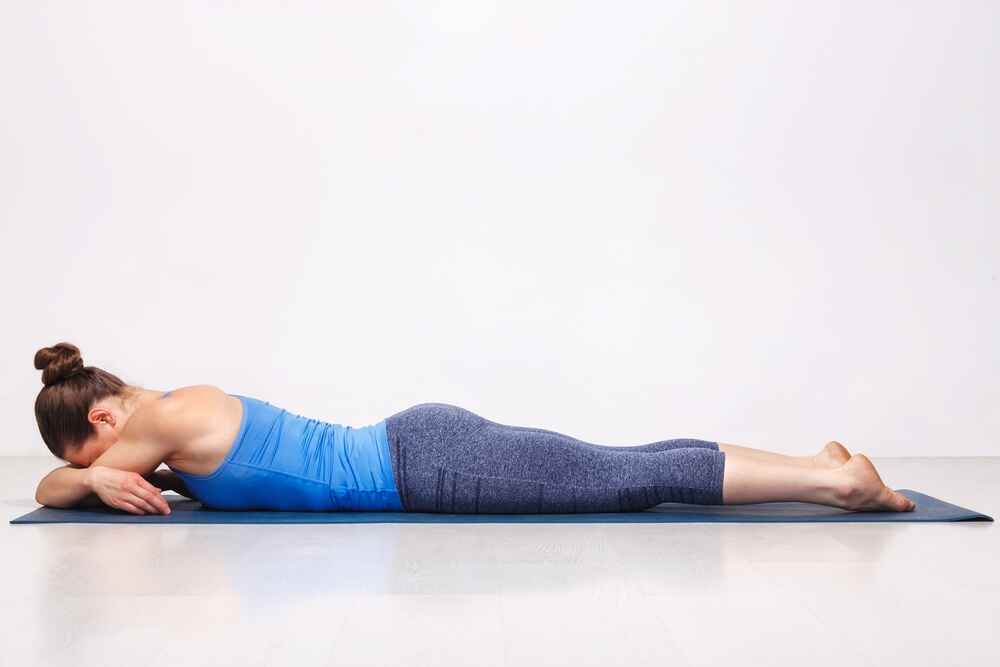
- Start by lying flat on the floor or other surface, stomach down and slightly apart.
- Then, gently place your chin against your folded hands or towel.
- Drop your shoulder blades & pelvic area to the floor, keeping your spine straight.
- Elbows should rest lightly on the floor without holding tension.
- Breathe slowly and deeply, inhaling through the nose and exhaling fully.
- Once you are in this position, maintain it for 5-15 minutes, depending on your comfort level and experience.
Benefits of Crocodile Pose
The benefits of the crocodile pose yoga are beyond simple relaxation. Practising it consistently enhances physical, mental, and emotional well-being. Crocodile Pose releases tension from the neck, shoulders, and spine while improving breathing and posture. Practising Crocodile Pose Yoga regularly can also aid concentration, reduce stress, increase vitality, and promote inner calm and peace.
Below are Some Benefits:
- Reduces Stress and Anxiety: Calms the nervous system and lowers cortisol levels.
- Lower Back, Neck, and Shoulder Tension: Helps to improve one’s normal posture and decrease spinal stiffness.
- Enhances Posture: Strengthens muscles supporting the spine and reduces slouching.
- Increases Lung Capacity: Deep breathing opens the lungs and enhances oxygen flow.
- Aids Digestion: Lying on the stomach gently stimulates the abdominal organs.
- Promotes Better Sleep: Alleviates physical and mental tension for deeper, restorative sleep.
- Prepares for Meditation: Settles body and mind, increasing focus and mindfulness.
- Boosts Overall Mindfulness: Encourages awareness of the body and breath during practice.
Who Can Practise Crocodile Pose?
People who are just starting with yoga, as well as experienced yogis, all benefit from doing the Crocodile Pose. This pose helps calm the mind and body; it’s especially beneficial for people who work sedentary lifestyles (long hours behind a desk), have mild back tension/stress, and want to improve their posture. Crocodile Pose Yoga also serves as a simple, slow, calming option between or after a vigorous workout.
People Who Benefit Include:
- New yogis are looking for a gentle support pose.
- Professionals sitting behind a desk for long periods.
- Yogis are preparing themselves for meditation.
- People with mild discomfort in their lower back or back and neck.
- Individuals want to relieve their stress and create relaxation within themselves.
Precautions:
- Do not practice if you have a severe spinal injury or have had surgery within the last six months.
- Consult a certified yoga instructor if pregnant.
- Individuals with high blood pressure should practice using mindful breathing.
Variations and Modifications to Crocodile Pose Yoga
Crocodile pose (Makarasana) can be modified to provide greater comfort for beginning students or individuals with some stiffness. Using props or adjusting how you hold your arms will give your body the right amount of support and alignment.
Modifications to the Pose Include:
- Placing a folded blanket or a pillow underneath your chest while lying on the floor in this position
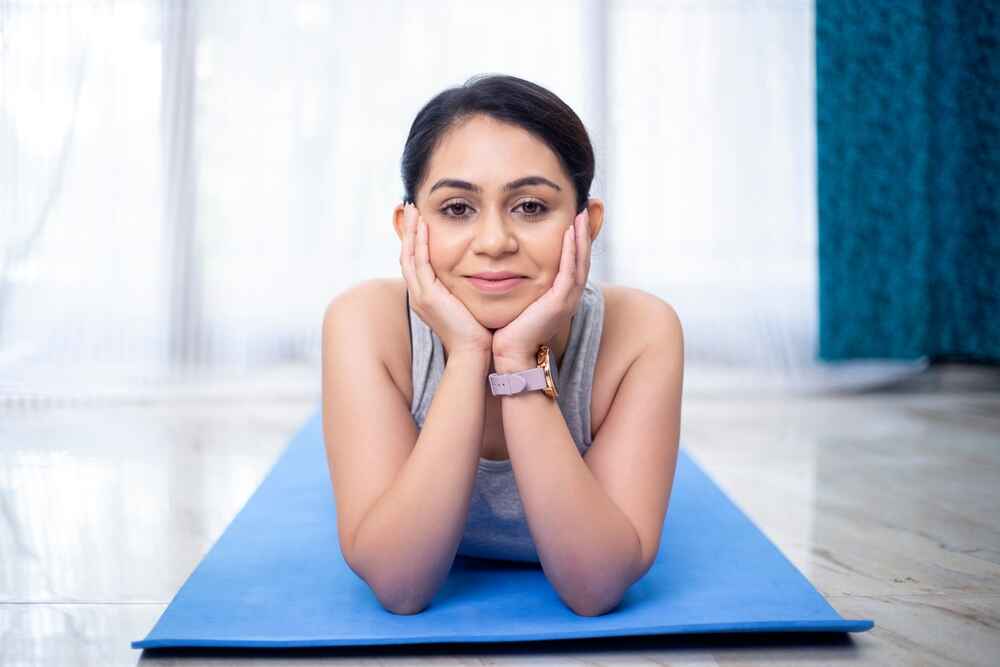
- Lying face down with your arms outstretched or resting your hands on your forehead or chin
- Practising slow diaphragmatic breathing while in this position
- Begin with shorter sessions (3-5 minutes) until you can do longer sessions (15-20 minutes).
Read More: How to Clean Your Yoga Mat: Simple Methods to Keep It Fresh
How to Integrate Crocodile Pose into Your Daily Life
There are many ways to integrate crocodile yoga into your daily routine. When done regularly, they will yield the greatest benefits to your body.
Suggestions for Daily Practice:
- Practising the crocodile pose yoga immediately upon waking helps your body begin the day in a relaxed state.
- Using the crocodile pose in yoga after you’ve been working all day is an effective way to relieve stress from the daily grind.
- Add a 5 or 10-minute session of deep breathing or meditation immediately after finishing the crocodile pose.
- Consider adding the crocodile pose to a restorative yoga series, followed by either Savasana or Child’s Pose.
- As you get used to the crocodile pose, try to hold it longer each day.
Common Mistakes and How to Correct Them
When performing a pose incorrectly, it can become ineffective due to a lack of awareness about the error. It is essential to be aware of each error type to ensure injury-free practice and maximise benefits.
Common Errors and Solutions:
- Head Position Too High: Keep the forehead/chin resting lightly on the hands or a towel.
- Shoulder Tension: Let the shoulders release and move down away from the ears; they should not be touching.
- Overextending (arching) the Lower Back: Let the spine remain in its natural position; it does not require forcing it back into a curve.
- Wrong Duration of Time: Use props to support comfort when practising this pose for a long duration.
- Holding Breath: Means breathing slowly and evenly.
Consider Combining Crocodile Pose With Other Yoga Practices
For optimal performance and to benefit from the crocodile pose, consider combining it with additional restorative yoga poses. These combinations are a time-efficient way to get the full benefit of the Bali Yoga Retreat.
Recommended Combinations Include:
- Child’s Pose (Balasana): It prepares you for the Crocodile Pose and provides excellent back-stretching support.
- Savasana (Corpse Pose): Completes the deep relaxation after performing the crocodile pose.
- Marjariasana (Cat-Cow Pose): The flexibility of your spine will be increased before performing Crocodile Pose.
- Pranayama: Provides proper breathing techniques to help you get more oxygen, which can calm your body and nervous system.
Using Props for Maximum Comfort
Yoga props allow everyone to experience the benefits of the crocodile pose yoga (Makarasana Yoga), including individuals who are just starting yoga or those with tightness in their bodies. Adding support with a folded blanket, bolster, or cushion under the lower back or chest reduces the weight on the lower back, allowing proper spinal alignment and the body to relax completely while holding the pose. In addition, using props will help you maintain the pose longer, enhancing the restfulness and relaxing effects of Makarasana Yoga.
Examples of Some Proper Props:
- A pillow or a folded blanket placed under the chest can reduce strain on the lower back.
- Use a towel under the forehead to provide neck support, or place one under the chin.
- Place a bolster under your hips to maintain proper spinal alignment.
- A yoga mat or a soft surface to provide comfort and protection for your back while doing the crocodile pose.
Practising Crocodile Pose at Bali Yoga Retreats
The scenic beauty of Bali helps create a relaxing environment for practice, allowing for greater focus, calmness, and mindfulness. Additionally, having trained instructors to help you find the correct body position will enable you to breathe correctly and get maximum benefit from practicing this pose. Also, while on a yoga retreat, you can practice other restorative yoga forms while combining them with the crocodile pose.
Some Benefits of Performing in Bali Yoga Retreats:
- The natural environment encourages relaxation.
- By working with expert teachers, you will learn proper alignment and breathing techniques.
- You will experience the combination of the crocodile pose yoga with a wind-down practice of restorative yoga.
- Your retreat experience includes guided mindfulness exercises and meditations.
Conclusion
The Crocodile Pose (Makarasana Pose) is one of the excellent restorative yoga poses that delivers significant physical, mental, and emotional benefits. Practising crocodiles regularly will help you relieve stress, reduce tension in the back, neck, and shoulders, improve your posture, and prepare your mind to meditate and be aware of each moment.
At Bali Yoga Retreats, you can experience the true benefits of Crocodile Pose Yoga (Makarasana Yoga). In a peaceful, natural setting, expert instructors will guide you to align your body correctly, breathe mindfully, and relax fully. Practising for even a few minutes each day can leave you feeling calm, refreshed, and energised. Over time, this pose becomes more than a yoga exercise; it turns into a daily habit that brings balance, peace, and strength to both your body and mind.
Read More: 10 Easy Face Yoga Moves to Tone, Lift, and Glow Naturally
Frequently Asked Questions
1. Is the crocodile pose yoga suitable for beginners?
Yes, this pose is easy to do, so everyone, from beginners to advanced yogis, can benefit from it.
2. When will I get the most out of my practice of makarasana Yoga?
Start with five minutes of practice and work your way up to 15 to 20 minutes.
3. Can makarasana yoga help relieve back discomfort?
The stretched-out spine of this pose helps alleviate stress while increasing flexibility.
4. Is it safe to practice in a public park or beach in Bali?
Practising outdoors is a wonderful way to enhance relaxation and mindfulness.
5. How often should I do the crocodile pose?
If you practice this pose every day for five to 10 minutes, you will benefit from more than just physical benefits.
6. Can doing the crocodile pose yoga improve sleep quality?
Yes, the crocodile pose yoga helps the body calm down, promoting deep, restorative sleep.
This article is for general information and is not medical advice. If you have a respiratory or heart condition, are pregnant, or are unsure whether these practices suit you, please speak to your doctor before beginning.

 Call Us